Doone Kennedy Hobart Aquatic Centre Guide
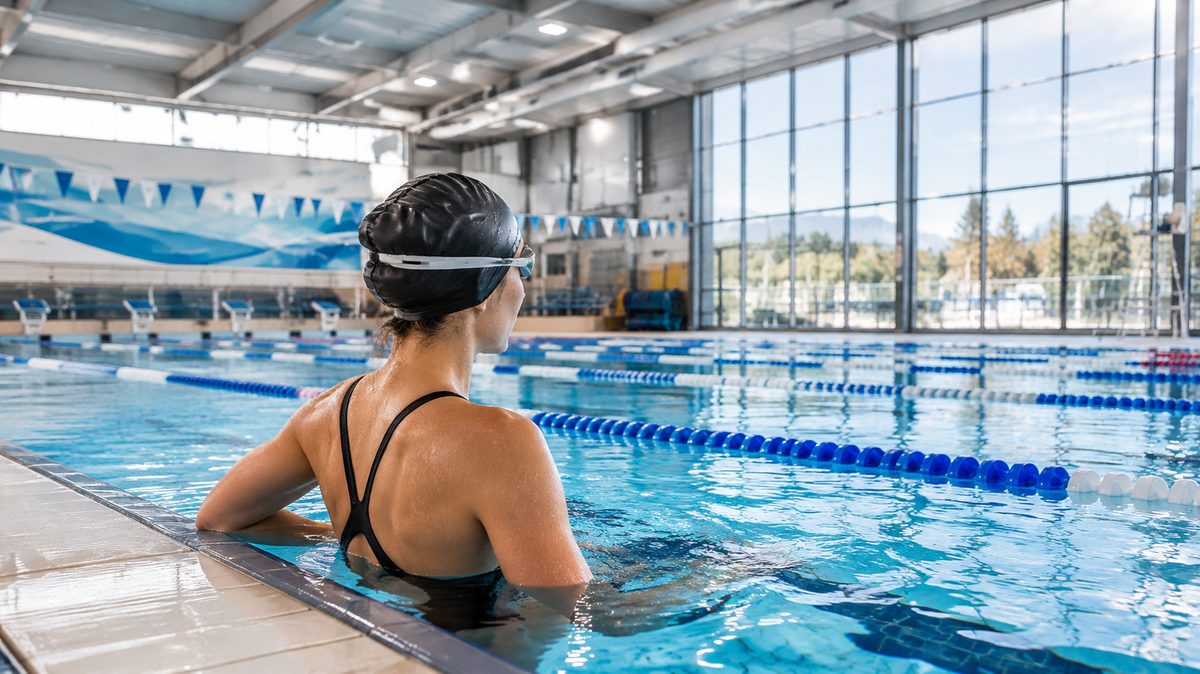
Doone Kennedy Hobart Aquatic Centre is Hobart’s main public aquatic facility for lap swimming, lessons, family water play and indoor exercise. It sits on the Queens Domain, close to central Hobart, and serves serious swimmers, school groups, families and people who want low-impact movement. This guide explains how to plan a visit, choose the right pool and avoid common problems such as lane closures or arriving without the right gear.
The centre’s timetable, entry prices and available facilities can change. Check the official City of Hobart aquatic centre information before leaving home, especially during school carnivals, public holidays and maintenance periods.
Where is the aquatic centre and how do you get there?
The centre is at 1 Davies Avenue on the Queens Domain in Hobart, Tasmania. It is north of the central business district and near sporting grounds, Government House and the Royal Tasmanian Botanical Gardens.
The distance from central Hobart looks short on a map, but the uphill approach matters. Walking from the city may suit an active adult with light gear. It can feel less practical for a family carrying towels, swimming bags and food. The return walk is easier because much of it heads downhill.
Driving is often the simplest choice for families, people attending lessons and visitors with mobility needs. Parking demand rises when aquatic programs and nearby sporting events run at the same time. Allow extra time rather than planning to enter the water at the exact start of a booked session.
Public transport options and routes can change. Use Metro Tasmania’s current journey planner for the day and time of your visit. Check the final walking section as well as the bus trip, since a nearby stop may still leave an uphill walk.
What facilities can you expect to find?
The centre is built around several water spaces rather than one shared Swimming pool. This allows lap training, lessons, diving and family Recreation to take place in separate areas when the full facility is available.
The main pools have different depths, temperatures and uses. A long competition pool suits lap Swimming and organised training. Smaller or warmer water areas may be used for lessons, gentle activity and supervised family sessions. Diving facilities and leisure features operate under their own rules and may have restricted hours.
Dry-side facilities support Exercise outside the water. Depending on the current program and access conditions, these may include gym training, group sessions and recovery amenities. Some facilities require a separate admission type or membership. Ask what your chosen entry includes before paying.
Do not assume every pool or feature will be open throughout the day. Staff may change lane layouts for squads, lessons, water safety programs or events. Maintenance can also remove a pool from use. The useful question is not whether the centre owns a certain facility. Ask whether that facility will be available during your planned visit.
Which pool should you use?
Choose by purpose, water depth and confidence. A lap swimmer needs a lane moving at a suitable pace. A parent with a young child needs an approved family area with close supervision. A person returning after injury may want warmer water and room for slow, controlled movement.
Lane signs usually show the intended speed or activity. Pick the lane that matches your current pace, not the pace you hope to hold. Moving into a slower lane is sensible when you tire. Faster swimmers can then pass safely, while you can keep a steady rhythm without feeling rushed.
If you are unsure, ask a lifeguard which space is best. Staff can explain current depths, lane directions and any limits on equipment. This takes less time than entering the wrong area and moving after your session has begun.
How should lap swimmers plan a session?
Check lane availability before travelling. A competition pool can remain open while offering only a small number of public lanes. School carnivals, club training and aquatic events may take much of the water space.
Arrive with a simple session plan. For example, a developing swimmer might use an easy warm-up, a set of short controlled laps and a gentle finish. This is a hypothetical plan, not coaching advice. The correct distance and effort depend on swimming skill, health and fitness.
Follow the lane direction shown at the pool. Keep to the expected side, leave space before pushing off and avoid stopping in the middle of a lane. Rest at the corner of the wall so other swimmers can turn. If someone catches you often, let that person pass at the end rather than speeding up for one length.
Training aids such as kickboards, fins or pull buoys may be allowed only in certain lanes or sessions. Check before using them. Large fins can create a risk in a crowded lane, while a kickboard session may move far more slowly than the surrounding swimmers.
Swimming is low impact, but it still places demands on the heart, shoulders and breathing. Start at a modest effort after a long break. Seek suitable medical guidance before returning if you have a health condition, recent surgery or unexplained symptoms.
What should families know before arriving?
Parents and carers should treat the centre as an active supervision setting. Lifeguards monitor the wider pool area, but they do not replace a responsible adult watching a child at close range. Follow the centre’s current supervision rules for each child’s age and swimming ability.
Pack swimwear, towels and dry clothes. Add goggles if the child uses them. Bring suitable swim nappies for children who need them, since ordinary nappies are not designed for pool use. A waterproof bag keeps wet items away from phones, wallets and clean clothing.
Children can become cold after leaving warm water, even inside an aquatic building. Keep a towel ready at the pool edge where rules allow, then move to the change area without delay. A familiar snack and drink can also help after an active session, subject to the centre’s rules about food.
Leisure features can make a visit more appealing, but opening times, height limits and operating conditions may apply. Do not promise a child that a particular feature will be running until you have checked. Framing the visit around time in the water avoids disappointment if one attraction is unavailable.
How do swimming lessons and organised programs work?
Lessons usually group participants by skill rather than age alone. A child who feels comfortable putting their face in the water may need a different class from a child of the same age who is still building water confidence. An assessment helps the centre place a swimmer at a useful level.
Ask whether enrolment covers a school term, a fixed block or ongoing direct-debit lessons. Check the rules for missed classes, public holidays and make-up sessions before committing. These details affect the real cost more than the advertised price of one class.
Adults can also benefit from instruction. Beginners may work on breathing and body position. Experienced swimmers may want help with stroke efficiency. A few targeted changes can make each lap feel easier, but progress still requires regular practice.
Squads, fitness classes and community programs may have entry standards or bookings. Confirm whether pool admission is included. Arrive early enough to change and find the meeting point before the instructor begins.
Is the centre suitable for gentle exercise and recovery?
Water reduces the load felt through many joints, which can make aquatic movement useful for people who find land-based Exercise uncomfortable. It does not make every movement safe for every injury. Water depth, temperature and technique still matter.
A person doing gentle walking or mobility work should use an area where that activity is permitted and where they can enter and leave safely. Busy lap lanes are a poor fit for slow movement. Ask staff about calmer session times and suitable access points.
Warm-water activity may feel soothing, but heat can affect blood pressure and fatigue. Follow posted time limits for spas, saunas or similar amenities where available. Leave if you feel dizzy, unwell or unusually short of breath.
For rehabilitation, use a plan supplied by an appropriate health professional. Pool staff can explain facility rules and access. They should not be expected to diagnose an injury or create a clinical recovery program.
When is the best time to visit?
The best time is a period when the facility you want is open and demand is low enough for your activity. For lap swimmers, this means checking the lane timetable. For families, it means checking the operating hours of the relevant leisure area. For program users, it means booking the correct session.
Weekday periods around school and work schedules can become busy. Weekends may bring family demand or organised events. There is no single quiet time that remains reliable all year because school terms, holidays and competitions change how the centre is used.
Call the centre if your trip depends on a specific pool, diving board or accessibility feature. A short check is worthwhile when travelling from outside Hobart or organising several people.
What does a visit cost?
Entry prices vary by age, concession status, membership and activity. Casual pool entry, gym access, classes and family options may use different fees. Current prices should be confirmed through the official centre listing.
Compare memberships by actual use. Multiply the casual price by the number of visits you can realistically make each month, then compare that figure with the membership fee and conditions. Include joining costs, cancellation terms and any facilities you will not use.
A multi-visit pass may suit someone who swims often but cannot keep a fixed routine. Casual entry is simpler for travellers and occasional visitors. Ask whether passes expire and whether they cover every type of session you plan to attend.
What accessibility details should you check?
Accessibility involves the whole trip, from parking or public transport to entering the water. Ask about accessible parking, the route to reception, change facilities and pool entry aids. A facility may be generally accessible while one particular pool has a different entry method.
Tell staff which pool or program you want to use. This lets them give a specific answer about hoists, ramps, steps or required assistance. If equipment is essential, confirm that it is working and available at your planned time.
People with sensory needs may also benefit from asking about quieter periods, whistles, echo and group activity. Indoor pool halls can be loud. Choosing a lower-demand session can make the visit easier without changing the activity itself.
What should you bring?
- Comfortable swimwear suited to the activity.
- A towel and a dry change of clothes.
- Goggles for lap swimming or lessons.
- A reusable drink bottle.
- Swim nappies where required.
- A waterproof bag for wet clothing.
- A lock or coin if the current locker system needs one.
- Any membership card, booking record or concession proof.
Leave valuables at home where possible. Do not rely on an unattended poolside bag for security. Ask reception how lockers work before changing, since payment and lock systems can change.
How can you avoid a wasted trip?
Most poor visits begin with an unchecked assumption. People assume all lanes are open, a leisure feature runs all day or one ticket covers every facility. A two-minute check can prevent each problem.
- Choose the exact activity you want to do.
- Check that activity’s current timetable and admission type.
- Look for closure, maintenance or event notices.
- Confirm accessibility equipment if it is essential.
- Allow time for parking, payment and changing.
- Ask reception about any rule you do not understand.
Weather can also shape demand. An indoor aquatic centre becomes an appealing Leisure option during cold or wet conditions, so family areas may fill when outdoor plans fail. Have a second time in mind if you can.
What else can you do nearby?
The Queens Domain contains sporting grounds, bushland paths and major Hobart attractions. The Royal Tasmanian Botanical Gardens are nearby, though the route and walking effort should be checked before combining the two stops. Central Hobart also offers food and other services within a short drive.
Keep the aquatic visit as the anchor of the day. Wet gear, tired children and a hard swim can make a packed plan unpleasant. One nearby stop is often enough after a pool session.
For more independent local planning ideas across Hobart, use The Hobart Field Guide. The publication covers the city for residents and visitors without being part of the aquatic centre.
What is the smartest way to plan your first visit?
Pick one clear purpose: laps, lessons, family Recreation or gentle movement. Check the official timetable for that activity, confirm the admission option and pack only what you need. This approach is more reliable than arriving and hoping the right pool is free.
Before leaving, check the centre’s live opening and lane information for the exact pool you plan to use.