Hobart Public Toilets and Visitor Amenities
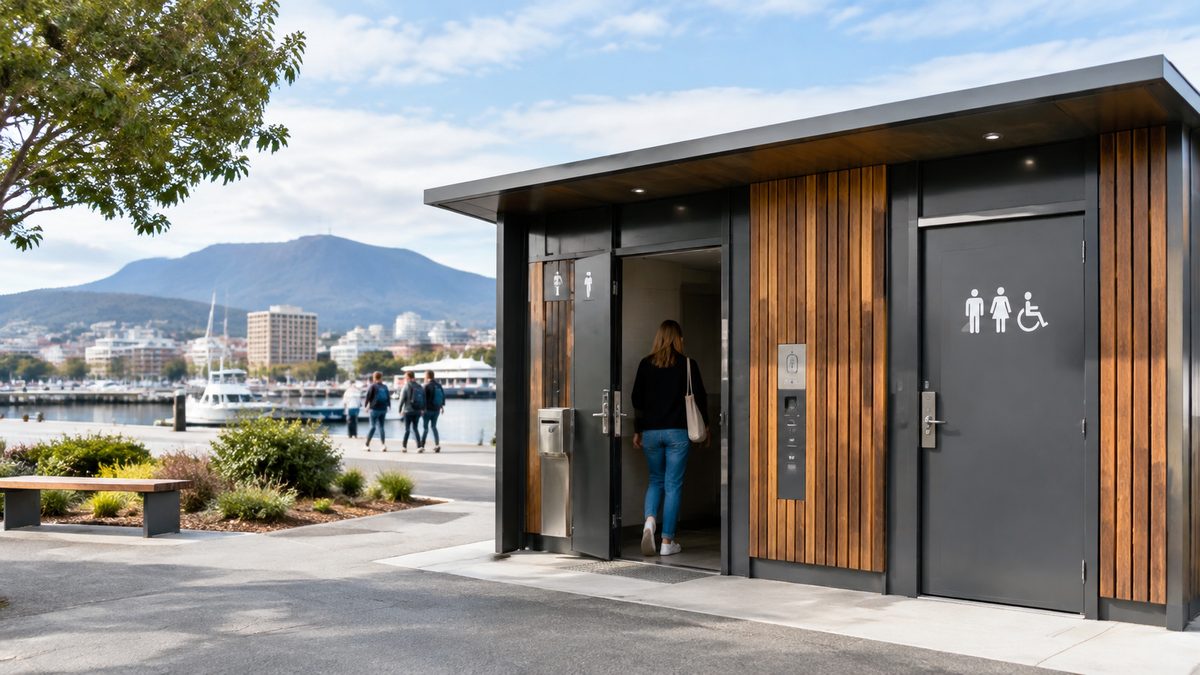
Hobart has public toilets across the city centre, waterfront and major parks, but visitors should check the official map before relying on a particular facility. Opening hours, maintenance closures and access conditions can change. The safest plan is to identify one main stop and one backup near your route. The National Public Toilet Map and City of Hobart information provide the most useful current details.
This guide explains how to plan comfort stops while walking around central Hobart. It covers toilets, an Accessible toilet, drinking water, seating, Picnic areas and other practical facilities. For broader ideas on what to see nearby, use The Hobart Field Guide.
Where are facilities easiest to find?
The easiest places to find visitor facilities are busy public areas managed for regular foot traffic. In central Hobart, that means civic spaces, the waterfront, Salamanca and larger parks. These areas tend to have clearer signs and several nearby options if one facility is closed.
Do not assume every toilet shown online sits inside a building. Some are separate public blocks in parks or near car parks. Others are attached to markets, transport facilities or public buildings and may only open while the host site is operating.
A useful way to plan is to divide central Hobart into practical walking zones:
- The central business district, including the blocks around Elizabeth Street, Liverpool Street, Murray Street and the civic centre.
- The waterfront, including the docks, ferry area and public spaces around Sullivan’s Cove.
- Salamanca and Battery Point, where steep streets can add time to a short walk.
- The Domain and larger recreation areas, where facilities may be farther apart.
This zone method works better than choosing a toilet based only on straight-line distance. A facility that looks close on a map may sit across a busy road, above a steep slope or behind a building entrance.
How should you check a toilet before walking there?
Use the National Public Toilet Map or current City of Hobart facility information. Check the location pin, opening hours, access notes and listed features. Then look at the date and source of any extra information shown by a third-party map service.
General map apps can help with directions, but their facility records may be old. A business can close while its toilet listing remains visible. A park toilet can also appear open all day even when local signs set different hours.
Before leaving, confirm these points:
- Whether the toilet has stated opening and closing times.
- Whether an accessible cubicle is listed.
- Whether access requires a key, staff assistance or entry to another venue.
- Whether the route reaches the correct side of the building or park.
- Whether another public facility sits within a manageable distance.
Check again on public holidays and during large events. Salamanca Market days, waterfront events and festivals can increase demand. Temporary toilets may be added, yet nearby permanent blocks can become crowded.
What should wheelchair users and carers look for?
An Accessible toilet symbol confirms a stated facility feature, but it does not answer every practical question. Users may also need to know about the path, doorway, circulation space, transfer side, handrails and adult change equipment. These details affect whether a facility can be used safely.
Accessibility begins before the cubicle door. Hobart has steep terrain, older footpaths and road crossings that can make a short route tiring. A person using a wheelchair may prefer a slightly longer path with gentler grades. Someone with low vision may need a route with fewer complex crossings. A carer pushing a pram may need enough room to enter without folding it.
The National Public Toilet Map may show features such as wheelchair access, opening hours and changing facilities. Treat those entries as planning information, then follow signs and conditions at the site. If a specific setup is essential, contact the facility manager before travel.
Some people with Disability use a Master Locksmiths Access Key, often called an MLAK, for locked accessible facilities around Australia. Do not assume every accessible facility needs this key or that every MLAK facility is open at all hours. Check the individual listing.
Changing Places facilities serve people who need more space and specialised equipment than a standard accessible cubicle provides. A standard Accessible toilet is not a substitute for a Changing Places room. Search for the exact facility type required rather than relying on a general wheelchair symbol.
How reliable are opening hours?
Opening hours vary by site. Outdoor toilet blocks may follow park hours. Facilities inside public buildings may close with the building. Some toilets remain available into the evening, while others close before nearby dining or entertainment areas become quiet.
Seasonal daylight does not determine access. Hobart has long summer evenings, but a toilet can still close at its set time. Winter darkness can also make a facility harder to locate even when it remains open.
Allow extra time near closing hours. Staff may begin securing a building or park area before a visitor expects. If your route ends after dinner, a performance or an evening ferry arrival, identify a late-access option in advance.
Temporary closure is another risk. Plumbing faults, cleaning, building work and public events can affect access without much warning. A backup stop within the same walking zone prevents a closure from becoming an urgent search.
What level of Cleanliness should visitors expect?
Cleanliness can change through the day. A facility may be serviced on a schedule but become untidy after a busy market, cruise visit or public event. High use can exhaust soap or toilet paper before the next service round.
Carry a small personal supply of tissues and hand sanitiser. These are backups, not reasons to ignore handwashing where soap and water are available. Parents and carers may also find a compact change mat useful because baby-change surfaces differ between sites.
Report serious faults through the contact details displayed at the facility or through the responsible council. Give the exact location, cubicle and problem. Clear reports help staff find hazards such as water on the floor, damaged locks or blocked fixtures.
If a block looks unsafe, closed or badly damaged, use the backup identified before the trip. Do not enter a restricted area or force a locked door.
Where can visitors refill drinking water?
A Drinking fountain can reduce the need to buy bottled water, but fountains are less common than taps inside cafes and public buildings. Check council maps and signs in major public spaces. Parks, recreation grounds and busy waterfront areas are the most likely places to find public drinking water.
Carry a filled bottle when starting the day. This matters on walks that climb from the waterfront towards Battery Point, the Domain or higher city streets. Cool Hobart weather can hide thirst, while wind and sun still increase fluid needs.
Do not treat every outdoor tap as drinking water. Use taps marked as safe for drinking. Avoid fittings labelled non-potable, recycled water or irrigation. If the status is unclear, refill at a verified fountain or staffed venue.
Public fountains may be shut off for repair or water-quality checks. A refill point should support your plan rather than serve as your only source of water.
Which amenities help families and carers?
Families often need more than a toilet pin. Useful details include baby-change space, room for a pram, nearby seating and a safe place to wait. A second adult may need shelter while a child uses the facility. Carers may need a private room large enough to assist another person.
Look for parent-room or baby-change symbols rather than assuming every accessible cubicle contains a change table. A fold-down infant table is designed for babies. It must not be used for an older child or adult.
Plan toilet stops before entering areas where queues can form. A weekend market or festival can place heavy demand on the closest block. Walking to a quieter backup before the need becomes urgent may save time.
Public seating is useful for feeding, medication, rest and regrouping. Choose a seat that does not block the Pedestrian path. Narrow footpaths around older parts of Hobart can become congested when prams or mobility devices stop near doorways.
How can you plan a comfortable Picnic stop?
A good Picnic location combines legal public access with toilets, shade, seating and waste bins. Larger parks are usually easier than small roadside reserves because their facilities are planned for longer visits. Confirm whether tables, barbecues or toilets are available rather than assuming every green space includes them.
Hobart weather can change fast. Wind is often the main problem near open waterfront areas. Choose a place with shelter or keep food packed until you find a protected spot. Never block a shared path with blankets, bags or chairs.
Use marked bins and take rubbish away if bins are full. Food scraps can attract birds and rodents. Keep hot equipment on approved surfaces, and check current fire restrictions before using any public barbecue or flame.
For a longer stop, select the toilet first and the view second. A scenic lawn loses much of its value when the nearest open facility is farther away than expected.
How do hills and crossings change the route?
Central Hobart looks compact, but the city rises sharply away from the River Derwent. A map can make two facilities seem close while hiding a tiring climb. Estimate the route by slope, crossings and surface quality as well as distance.
A Pedestrian route may include signal crossings, kerb ramps, shared paths and uneven sections. Construction can also move a safe crossing away from its usual point. Follow temporary signs and use formal crossings where provided.
People with limited stamina should place comfort stops along the direction of travel. Walking downhill to a toilet can create an unwanted climb back to the planned route. It may be easier to use a facility before leaving a level waterfront area.
Rain changes the practical route. Painted surfaces, stone paving and leaf litter can become slippery. Allow more time, especially when assisting a child or someone using a mobility aid.
What should visitors do after normal business hours?
Evening access needs more planning because facilities inside libraries, shopping areas and public buildings may be closed. Do not rely on becoming a customer at a nearby business. Toilets on private premises are for that venue’s patrons and can be restricted.
Check late-opening public options before attending an evening event. Save the location on your phone and note a visible landmark. Mobile reception is usually available in central Hobart, but a saved map remains useful when a battery is low.
Choose routes through lit public areas. If a facility or its approach feels unsafe, move to a busier location. Parents, solo visitors and people unfamiliar with the city should avoid searching through poorly lit park edges for an unconfirmed toilet.
What mistakes cause the most trouble?
The most common mistake is waiting until the need becomes urgent. Hills, queues and a closed block can turn a five-minute map estimate into a much longer delay.
Other avoidable errors include treating a cafe toilet as public, assuming wheelchair access from a toilet symbol, and relying on an old map screenshot. Visitors also lose time when a location pin marks the centre of a park instead of the actual entrance.
Use the listing details and read signs at the site. A public facility can have separate entrances, restricted cubicles or different hours within the same building. Event barriers may also change the normal approach.
Respect shared facilities. Leave the cubicle usable, supervise children and keep bags clear of wet floors. Tell the responsible authority about damage rather than leaving the next visitor to discover it.
How should you make a simple amenities plan?
Start with the official National Public Toilet Map and current City of Hobart information. Mark the facility nearest the middle of your route. Confirm its hours and Accessibility features, then choose a backup in the next public area you will pass.
- Save both toilet locations before leaving.
- Fill a water bottle at a verified Drinking fountain or another safe source.
- Check the walking grade and correct entrance.
- Use the first suitable facility before the need becomes urgent.
Before exploring Hobart, save one verified public toilet and one nearby backup that match your access needs.