Hobart Rainy Day Museums
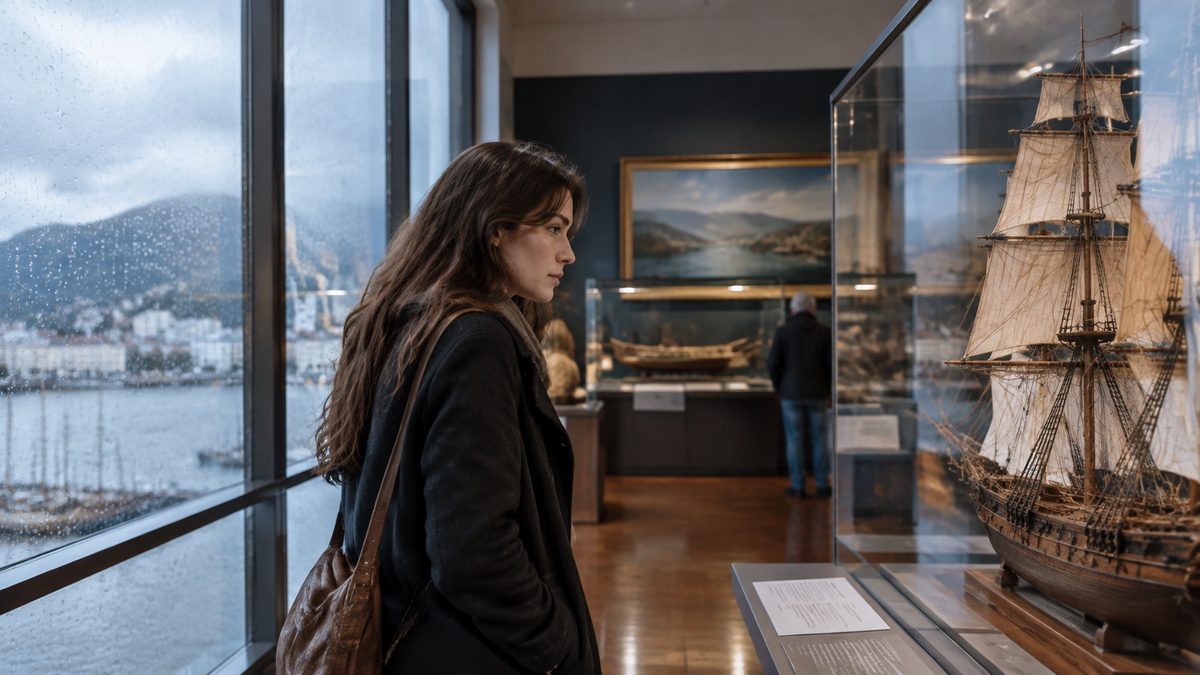
The best Hobart rainy day museums are the Tasmanian Museum and Art Gallery, the Museum of Old and New Art, the Maritime Museum Tasmania and Mawson's Huts Replica Museum. Each suits a different kind of wet day. TMAG offers the broadest free indoor visit near the city centre. MONA can fill most of a day but needs more travel and planning. The maritime and Antarctic museums are smaller, focused stops that work well around the waterfront.
The smart choice rests on the weather, your available time and how much mental energy you want to spend. Heavy rain rewards one long museum visit. Patchy showers suit two compact museums with a short walk between them. This guide from The Hobart Field Guide explains how to choose without turning a wet day into a rushed checklist.
Which museum gives you the easiest wet-weather day?
The Tasmanian Museum and Art Gallery is the simplest choice for most visitors. It sits on the city side of the waterfront, close to central hotels and covered transport options. Its collections span the natural history, social history, Aboriginal history and visual Culture of Tasmania. General entry has traditionally been free, although special exhibitions and opening arrangements can change.
TMAG works well when the forecast is uncertain because you can adjust the length of your visit. A quick circuit may take about 90 minutes. A careful visit can occupy half a day. The site contains several connected buildings, so some movement between spaces may involve courtyards or exposed doorways. Carry a compact umbrella even when most of your time will be indoors.
The collection gives useful context for the rest of a Hobart trip. Displays can help visitors understand the island's wildlife, colonial history and changing communities. That wider frame makes later visits to historic streets or natural areas easier to read. An Art gallery section also gives you indoor access to works linked with Tasmania and the wider Australian art story.
Choose TMAG when you want low-cost flexibility, a central location or a museum that can satisfy people with different interests. Families, history readers and art visitors can split their attention without travelling to separate venues.
When is MONA worth building the whole day around?
The Museum of Old and New Art is the strongest option when rain has settled over Hobart for the day and you want one main destination. MONA sits at Berriedale, north of central Hobart. Its underground spaces hold ancient objects and Contemporary art in a setting designed to feel theatrical, dark and immersive.
MONA asks more from a visitor than a standard museum. Some works deal with death, sex, bodily functions or other adult themes. Families should check current exhibition advice before booking. Visitors who enjoy provocative art may spend several hours inside, while people who prefer clear historical displays may find TMAG a better match.
Book admission before leaving central Hobart, especially during busy travel periods or major events. Confirm the day's opening hours because MONA does not operate every day throughout the year. Entry conditions can also differ for residents of Tasmania and interstate or overseas visitors.
The ferry is a popular way to reach the museum, but a rainy-day plan should treat the sailing as booked transport rather than a casual extra. Reserve both directions and leave enough time to reach the terminal. The separate guide to MONA from Hobart by ferry covers that journey in detail, so this museum plan stays focused on choosing and pacing the indoor visit.
Road transport can make sense in rough weather, for visitors with limited mobility or for groups whose return time may change. The site includes outdoor paths between arrival points, museum entrances and other facilities. Waterproof shoes still matter even though the main galleries are indoors.
Choose MONA when art is the main event, you can commit several hours and everyone in the group is comfortable with confronting material. Do not squeeze it between several waterfront stops. The travel and scale make it a full outing.
Which museums fit into a short break in the rain?
Maritime Museum Tasmania and Mawson's Huts Replica Museum suit visitors with one to two hours available. Both are near Hobart's central waterfront, where distances are short and cafés, hotels and transport are close. They also have clear subjects, so visitors can gain something useful without covering a vast collection.
Maritime Museum Tasmania
Maritime Museum Tasmania explains how boats, ports and seafaring shaped the island. Tasmania depended on water routes for trade, travel, fishing and contact between settlements. The museum uses objects, models, images and records to connect those broad themes with real vessels and local lives.
This is a good choice for visitors who want history told through practical things. Ship models reveal how vessels were built. Navigation objects show how crews worked before satellite systems. Material linked with whaling, migration and commercial shipping shows why the River Derwent was a working route rather than a scenic edge to the city.
The museum is compact enough to pair with TMAG on a day of steady rain. Check current admission charges and opening times before walking over. Small museums can have shorter hours than major public institutions, and special closures can affect a tightly timed plan.
Mawson's Huts Replica Museum
Mawson's Huts Replica Museum stands near the waterfront and recreates the main living quarters used during Sir Douglas Mawson's Australasian Antarctic Expedition. The original huts remain at Cape Denison in Antarctica. The Hobart replica helps visitors grasp the confined space, equipment and daily conditions faced by expedition members.
The value of this museum lies in scale. A photograph can show a hut, but a full-sized reconstruction makes the lack of private space and the limits of early expedition gear easier to understand. The displays connect Hobart with the history of Antarctic exploration and Australia's long relationship with the southern continent.
This stop works well for school-age children who respond to objects and physical spaces. It also suits adults with a focused interest in science, weather or exploration. Allow enough time to read the displays rather than treating the replica as a quick photo stop.
Can you visit two museums without spending the day in wet clothes?
Yes. Pair museums within the same part of the city. TMAG and Maritime Museum Tasmania form the easiest central combination. Both sit close to the waterfront, and the walk between them is short. Mawson's Huts can replace the maritime museum if polar exploration holds more appeal.
A sensible wet-day order starts with the venue that closes first. Smaller museums may finish earlier than larger attractions. Check official opening information that morning, then book any timed admission. Visit the smaller site first and use TMAG as the flexible second stop.
Do not plan repeated walks between the waterfront and Salamanca Place in driving rain. The distance looks minor on a map, but exposed crossings, puddles and wind can make it tiring. Group waterfront museums together, then move once for lunch or your final indoor stop.
MONA should stand alone unless your group moves quickly and has a firm ferry or road schedule. Adding another serious museum before it often creates gallery fatigue. People start skipping labels and rooms even though they have paid and travelled to be there.
A hypothetical family with children aged eight and twelve could spend the morning at TMAG, eat nearby and choose one small waterfront museum after lunch. A couple keen on Contemporary art would get more from a slow MONA visit than from collecting several museum admissions. The better plan protects attention as carefully as it avoids rain.
What should families consider before choosing?
Match the museum to each child's attention span and interests. TMAG offers the widest mix, which helps when one child likes animals and another prefers art or history. Its flexible entry also makes an early departure easier if the group becomes tired.
Mawson's Huts gives children a clear physical story: people lived and worked in a small building during an extreme expedition. Maritime Museum Tasmania suits children drawn to boats, maps and machines. Adults can make either visit more useful by asking specific questions, such as how people kept warm or found their position at sea.
MONA requires more care. Check exhibition information, age guidance and access rules before booking. Some content may unsettle younger visitors. The underground layout can also feel intense for children who dislike dark spaces, loud sound or enclosed rooms.
Pack a dry layer for each child. Wet jackets become uncomfortable inside heated galleries, and umbrellas need to be carried or stored as directed. A spare pair of socks can rescue the afternoon after one deep waterfront puddle.
How accessible are Hobart's museum options?
Access differs by building, exhibition and transport route. Modern lifts may connect levels, but heritage buildings can include uneven surfaces, narrow transitions or routes that are less direct. Visitors who use wheelchairs or walking aids should check the venue's current access page or call before arrival.
Transport is part of access on a rainy day. A venue may be step-free inside while the route from parking or a ferry exposes visitors to rain and wind. Ask about accessible drop-off points, lift availability, seating and toilets. Confirm whether a companion card or similar support applies to paid entry.
Sensory needs also shape the choice. MONA may include darkness, sound and challenging images. Smaller waterfront museums can feel calmer, though compact rooms may become crowded. TMAG's size can offer more chances to pause, but busy holiday sessions may still be noisy.
Anyone who tires easily should choose one priority museum and one optional stop. This leaves room to respond to weather, transport delays or energy levels without losing the core experience.
What else should you plan around the museum visit?
Check four details on the morning of your visit: opening hours, ticket rules, transport status and temporary exhibition notices. Public holidays, private functions and installation work can change normal access. Official venue pages should be the final source for live details.
Wear a waterproof outer layer and shoes with grip. Hobart rain often arrives with wind, especially near the River Derwent. A large umbrella can become awkward on exposed corners, while a hood and compact umbrella offer more control. Museums may ask visitors to leave wet umbrellas, large bags or food in a set area.
Plan meals by area rather than by a single café. Salamanca Place and the central waterfront have many options within walking distance, but trading hours vary. MONA has on-site food choices when open, although bookings or wait times may apply. Keeping a second option in mind prevents a closed kitchen from breaking the day's schedule.
Leave a buffer before any fixed departure. Ten minutes can disappear while collecting coats, using lockers or finding the correct exit. Ferry passengers need a larger margin because a missed sailing has more impact than a delayed city walk.
For more local planning ideas, use The Hobart Field Guide as the starting point, then confirm live details with each museum.
Which museum should you choose for your kind of rainy day?
Choose the Tasmanian Museum and Art Gallery for a flexible central visit with broad appeal. Choose the Museum of Old and New Art for a planned art day with transport booked in advance. Choose Maritime Museum Tasmania for a compact account of the island's seafaring life. Choose Mawson's Huts when Antarctic history and expedition life are the main draw.
If rain is light and broken, combine two central waterfront museums. If it is heavy and likely to last, settle into one large venue. If the group has mixed interests, favour TMAG. If everyone wants immersive Contemporary art, commit the day to MONA.
Check today's opening times, choose one priority museum and book any required ticket before leaving your accommodation.