North Hobart Neighbourhood Guide
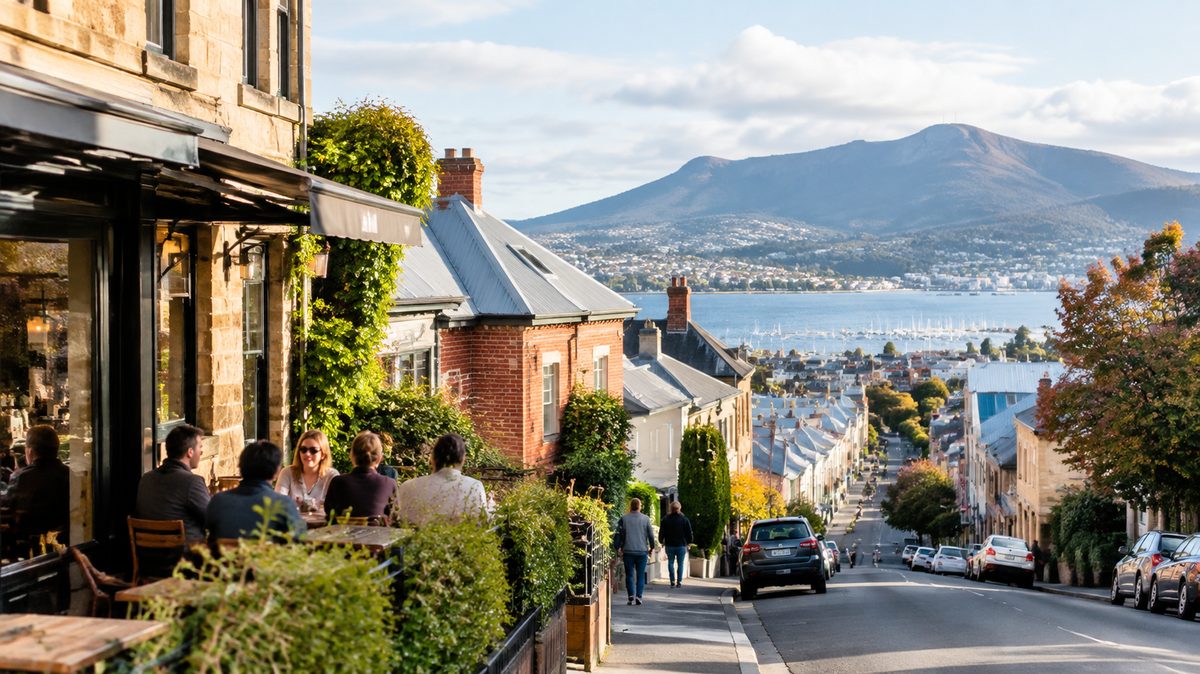
North Hobart is a compact inner-city neighbourhood best explored on foot, with Elizabeth Street as its main dining and entertainment strip. It sits close to central Hobart but feels distinct from the office blocks and waterfront crowds. Restaurants occupy old shopfronts, homes line the side streets, and major local landmarks sit within a short walk of one another.
This north hobart neighbourhood guide explains how the area fits together, where its character comes from, and how to plan a visit without treating it as a single restaurant stop. North Hobart rewards people who slow down, leave the main road, and notice how food, housing, sport and public space share the same small neighbourhood.
Where is North Hobart and how close is it to the city?
North Hobart begins immediately north of Hobart's central business district. The transition is gradual rather than marked by a grand entrance. Elizabeth Street runs north from the city and develops into the neighbourhood's main commercial strip as it climbs away from the centre.
The distance is short enough for many visitors to walk from central Hobart. The uphill grade is gentle in places and more noticeable in others, so the trip can feel longer for anyone carrying bags or pushing a pram. Public buses also use the Elizabeth Street corridor, while taxis and rideshare services cover the short journey easily.
North Hobart sits among several inner suburbs. West Hobart lies across the hill to the west. New Town begins farther north, beyond the tight inner-city street pattern. Mount Stuart, Tasmania rises to the north-west and has a quieter residential feel. The Domain and Queens Walk area form a green edge to the east.
Do not confuse the nearby Hobart suburb of Glebe with Glebe, New South Wales. Search results, accommodation listings and maps can mix the two when a state is not included. Hobart's Glebe is a small residential area beside the Domain, within easy reach of North Hobart.
What gives the neighbourhood its character?
North Hobart works because it remains both a local neighbourhood and a visitor destination. People come for dinner or a film, while residents use the same streets for groceries, school trips, dog walks and daily errands. That mix keeps the area active beyond standard business hours.
Elizabeth Street, Hobart is the organising line. Its North Hobart section contains restaurants, cafes, bars, small shops and services in a long ribbon. The strip is busy enough to offer choice but narrow enough to understand after one walk. Side streets change the mood within minutes, replacing shop signs and outdoor tables with cottages, gardens and parked cars.
The neighbourhood does not have one fixed style. Some blocks feel lively after dark. Others become quiet soon after the shops close. This contrast is central to the area's appeal, but visitors should remember that many entertainment venues sit close to people's homes. Keep noise down when returning to a car or accommodation late at night.
Why is Elizabeth Street the best place to start?
Start near the city end of the North Hobart strip and walk north along Elizabeth Street. This gives you a clear view of the area's scale before you choose where to stop. Menus, opening hours and the amount of space inside each venue are easier to judge in person than from a map.
The dining mix changes over time, so a useful guide should not lock visitors into a list that may date quickly. A better method is to match the venue to the visit. Look for quick counter service when you have a film or event booked. Choose a longer meal when the neighbourhood itself is the evening's main plan. Check current hours directly with the business, especially early in the week and on public holidays.
The strip is also useful during the day. Its shopfronts reveal details that are easy to miss after dark, including old facades, narrow allotments and the way newer businesses have adapted existing buildings. The street tells a clearer story when you walk both sides rather than moving straight between two saved map pins.
Food is a major reason to visit, but it should not consume the whole guide. The separate Breakfast in North Hobart article on The Hobart Field Guide deals with morning meals in more depth. This guide focuses on how dining fits into the wider neighbourhood.
What should you notice about North Hobart's buildings?
North Hobart developed over many decades, so its streets contain buildings from different periods. Victorian architecture is one visible part of that story. Look for compact cottages, decorative timber details, brick walls, verandahs and narrow frontages. Later homes, altered shopfronts and infill buildings sit among them.
The best examples are not confined to a formal heritage walk. Turn off Elizabeth Street and examine the residential blocks from the footpath. Changes in roof shape, setback and building material can appear within the same row. These details show how the suburb grew and adapted rather than remaining frozen in one era.
Architecture also explains the small scale of many businesses. A restaurant inside an old shop may have a narrow room, limited accessible space or toilets reached through an unusual layout. Anyone with mobility needs should contact a venue before booking. Heritage character does not guarantee step-free access.
Respect private property while looking. Verandahs, lanes and gardens may appear picturesque, but they belong to residents. Stay on public footpaths and avoid photographing into windows.
Which landmarks help you understand the area?
State Cinema, North Hobart is one of the neighbourhood's clearest cultural reference points. Its long association with film has made the site part of the identity of the Elizabeth Street strip. Check the current program and session details before visiting, since cinema operations and schedules can change.
A film gives an evening a useful structure. Walk the strip first, eat near the cinema, then leave enough time to find your seat without rushing. If the session ends late, decide how you will return before it begins. That prevents a quiet residential street from becoming the place where your group debates transport.
North Hobart Oval provides a different view of local life. The ground has strong links with Tasmanian football and remains a recognised sporting venue. Event days can change traffic, parking demand and foot traffic around nearby streets. Check the event schedule if you plan to drive through the area or book a meal at a set time.
Soundy Park offers public green space near the northern part of the neighbourhood. It can serve as a pause between the commercial strip and surrounding residential streets. Families should check current facilities and conditions before relying on any specific play or recreation feature.
To the east, the Queen 's Domain forms part of a much larger open-space area near the city. The supplied label is sometimes written with unusual spacing, while local maps normally present the name as Queen's Domain. It is separate from North Hobart's main street but helps explain why this dense inner area remains close to broad green space.
Is North Hobart easy to explore without a car?
Yes. Walking is the clearest way to understand North Hobart because its main points of interest sit close together. A car can save effort on the hills, but parking may remove that gain during busy dining periods or sporting events.
Footpaths along the main strip connect most visitor stops. Conditions become less even on some side streets, where slopes, driveway crossings and older surfaces may affect wheelchair users or people with limited mobility. A map's short distance does not show gradient or kerb access, so check the route rather than measuring distance alone.
Cycling is possible, though Elizabeth Street carries regular traffic and requires care. Riders should use current cycling maps and choose a route suited to their confidence. Secure locking matters because a meal or film can leave a bicycle unattended for several hours.
If you drive, choose a legal space and read the full sign. Time limits and restrictions can vary by block and time of day. Do not assume a quiet side street offers unrestricted parking. Residents depend on those streets, and driveways can be easy to miss after dark.
How does North Hobart compare with nearby areas?
North Hobart is more concentrated than many surrounding neighbourhoods. Its restaurants and entertainment venues follow a clear spine, which makes casual browsing simple. The central business district offers a wider spread of offices, shops and major visitor services, but its attractions cover a broader area.
West Hobart has local shops and well-known food stops, yet much of the suburb is residential and shaped by steeper streets. It suits visitors who enjoy hill views and quieter walks. North Hobart is easier when a group wants several dining choices close together.
New Town combines residential streets with larger commercial areas farther north. It is useful for practical shopping and access to the northern suburbs. North Hobart feels denser and works better for an evening built around walking, food and film.
Mount Stuart, Tasmania is quieter and more residential. Its slopes affect how routes feel, even when the map distance looks small. Visitors staying there can reach North Hobart readily, but the return walk may involve a steady climb.
These areas should not be treated as rivals. Together they show how quickly Hobart changes from a city centre to dining streets, hillside homes and open land. North Hobart stands out because those uses meet within such a compact space.
When is the best time to visit?
Late morning suits people who want a calm walk and a clear view of the buildings. Some dinner-focused venues may be closed, but the street is easier to read without evening crowds. Afternoon works well for combining the neighbourhood with nearby parks or a cinema session.
Evening shows the strip at its liveliest. Restaurant demand rises, parking becomes tighter, and bookings can matter for popular venues. Friday and Saturday nights tend to require more planning than an ordinary weekday, while event nights at North Hobart Oval can create a separate surge.
Weather changes the experience. Hobart can feel cool after sunset even when the day has been mild. Carry a layer and prepare for rain if the forecast calls for it. A short walk feels much longer when a group is waiting outside without suitable clothing.
People seeking a quiet residential walk should choose daylight hours. Those coming for atmosphere should arrive before dinner, complete a slow circuit, and then settle into their chosen venue.
What mistakes make a visit harder than it needs to be?
The first mistake is driving directly to one address without understanding the strip. You may pass a suitable parking option, miss the street's character, or find that the venue does not match your plans.
The second is assuming every business keeps standard city hours. Independent venues may close on particular weekdays, change service times, or pause between lunch and dinner. Confirm details through the business's current official channel.
Another mistake is planning by distance alone. Hills, crossings and access needs affect real travel time. A ten-minute route on a map may take longer with children, mobility limits or wet weather.
Visitors also miss much of North Hobart when they stay only on Elizabeth Street. The main strip supplies energy and choice, while the side streets reveal the area's residential scale and built history. One careful block away from the traffic can add more context than another rushed venue stop.
How should you plan a useful half-day visit?
Use a simple sequence that leaves room for changes:
- Check current conditions. Confirm the weather, venue hours, cinema sessions and any event at North Hobart Oval.
- Choose your transport before leaving. Walk from central Hobart if the distance and slope suit you, or decide where public transport fits the trip.
- Survey Elizabeth Street first. Walk part of the strip before committing to a meal, unless you already have a booking.
- Add one quieter detour. Visit a side street, Soundy Park or the edge of nearby open space while respecting homes and private land.
This plan works because it treats North Hobart as a neighbourhood rather than a checklist. It also leaves enough time to change course when a venue is full or the weather turns.
The Hobart Field Guide is an independent local publication. Use its Hobart guides to connect this visit with other parts of the city while keeping travel time realistic.
Actionable takeaway: Begin at the city end of Elizabeth Street, walk north before choosing a stop, and build the rest of your visit around one confirmed booking or event.