Sandy Bay Neighbourhood Guide
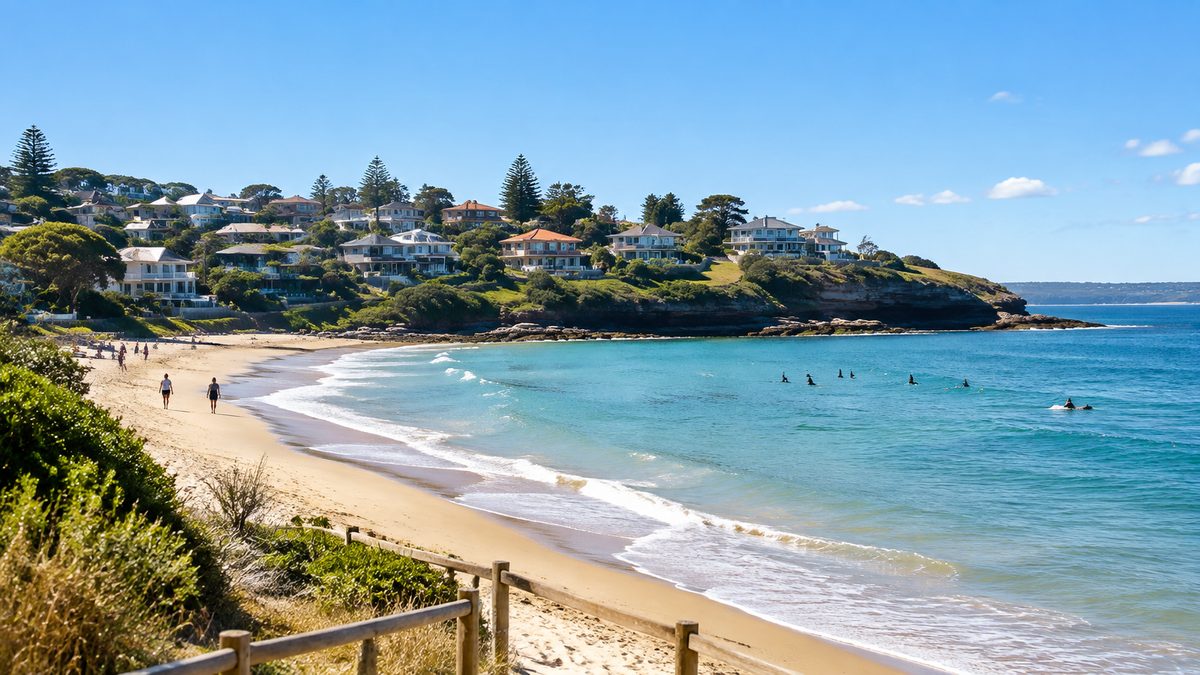
Sandy Bay is a convenient waterfront suburb for people who want easy access to central Hobart without giving up beaches, local shops and quiet residential streets. Its character changes from busy student areas near the city to spacious hillside streets and a relaxed shore farther south. This Sandy Bay neighbourhood guide explains those differences so you can choose the right part of the suburb rather than treating it as one uniform place.
Sandy Bay, Tasmania, sits directly south of Battery Point and the city centre. The suburb stretches along the western shore of the River Derwent and rises toward Mount Nelson. That shape matters. A home, hotel or café near the water can feel very different from one several steep blocks uphill.
How is Sandy Bay laid out?
Sandy Bay is easiest to understand as a long suburb built around Sandy Bay Road. The road starts close to Hobart's central districts, passes shops and the university precinct, then follows the river toward Lower Sandy Bay. Most daily services and public transport sit on or near this corridor.
The northern end connects quickly with Battery Point and the Central business district. It has more traffic, apartments, students and short walks to central destinations. The middle section includes the main shopping strip and roads leading to the University of Tasmania. The southern end feels more residential, with beaches, sports grounds and wider river views.
The land rises sharply west of the main road. A place described as being close to Sandy Bay Road may still involve a demanding climb. Distance on a map can hide this difference, so contours matter when choosing accommodation or a home.
Which part of the suburb will suit you?
Near the city boundary
The streets closest to Battery Point suit visitors who want to walk into central Hobart. They also work well for residents who commute to the city and prefer older homes or smaller apartment buildings. The trade-off is more passing traffic and less of the beachside mood found farther south.
This area gives you quick access to Salamanca and the waterfront without placing you inside the busiest visitor precinct. It can be a useful base during festivals or conferences when central accommodation is scarce.
Around the main shopping strip
Central Sandy Bay is the practical heart of the suburb. Shops, cafés, supermarkets, pharmacies and other everyday services cluster around Sandy Bay Road. Housing includes apartments, townhouses and detached homes on the surrounding slopes.
This zone suits people who value convenience over silence. It stays active through the day because residents, workers and students use the same compact centre. Parking demand can rise at busy times, while walking remains simple if you stay close to the main road.
Near the university
The streets around the University of Tasmania have a stronger student presence. Rental housing, shared homes and buses shape daily life here. The area can work well for students and university staff because it cuts travel time and places basic services within reach.
Check the exact walking route before signing a lease. Some nearby streets sit on steep ground, and a short uphill trip can feel much longer with books, groceries or a bicycle. Noise can also vary by street and building type.
Lower Sandy Bay
Lower Sandy Bay has a calmer residential feel. The river becomes a stronger part of daily life, and the suburb opens around recreation grounds and beaches. Detached homes are more common, though apartments appear along key roads and near the shore.
This end suits households that want outdoor space or regular access to the water. It sits farther from the Central business district, so a bus, bicycle or car becomes more useful for daily trips.
What is everyday life like?
Sandy Bay supports a simple routine. Residents can buy groceries, collect medicine, eat out and reach common services without travelling to a large suburban centre. The commercial strip is compact enough to use on foot, although people living high on the slopes may still drive for heavy shopping.
The suburb mixes permanent residents with students and short-term visitors. That mix gives the main road steady activity while many side streets remain quiet. It also means the atmosphere changes through the year as university terms begin and end.
Dining leans toward casual neighbourhood use rather than late-night entertainment. Cafés and restaurants serve residents as much as visitors. For a wider choice of evening venues, Salamanca, Battery Point and central Hobart are close enough to reach by bus, taxi or a longer walk from northern Sandy Bay.
People considering a move should inspect the immediate block at different times. A flat near a bus stop may be ideal for a student but less appealing to a light sleeper. A hillside home may offer a river view while making every walk home steeper. The street often matters more than the suburb name.
Can you manage without a car?
Yes, if you live near Sandy Bay Road and your regular destinations are in Sandy Bay or central Hobart. Buses use the main corridor, and the northern part of the suburb is within practical walking distance of the city for many adults.
A car becomes more useful in the upper streets, where steep roads separate homes from shops and bus stops. It also helps households making frequent trips beyond central Hobart. Visitors should check whether their accommodation provides parking because older properties and apartment areas may have limited off-street space.
Cycling is possible, but riders need to account for hills and traffic. The main road is direct rather than peaceful. Less experienced riders may prefer quieter side streets where the street pattern allows it, though those routes can add climbing.
For a hypothetical example, a student living five minutes from the main road could use buses and walk to shops with little trouble. A family living the same straight-line distance away on a steep upper street might rely on a car for school runs and groceries. The map distance is equal, but the daily effort is not.
How does the university shape the neighbourhood?
The University of Tasmania has a major campus in Sandy Bay. Its presence affects housing demand, bus use and the mix of businesses near the central shopping area. Students add foot traffic during teaching periods, while shared rentals are common in streets with convenient campus access.
The campus also gives the suburb a younger population than its large homes and established gardens might suggest. Residents should expect more movement around semester dates. Prospective tenants should ask whether a property sits on a common walking route or beside a large shared house.
Visitors rarely need to plan around the university unless attending an event. Even so, the campus is a useful landmark because roads uphill often lead toward it or continue toward Mount Nelson, Tasmania.
What role does the waterfront play?
The waterfront gives Lower Sandy Bay much of its appeal, but it is part of the neighbourhood rather than a single attraction. Residents use the shore for short walks, exercise, play and time outdoors. Conditions can feel cooler and windier beside the Derwent than they do on sheltered inland streets.
Long Beach is the best-known recreation area in the suburb. References to Long Beach, Tasmania, usually mean this Sandy Bay beach rather than a separate town. Its surrounding reserve and nearby services make it an easy meeting point for households and visitors.
Nutgrove Beach lies farther south and has a more residential setting. Both beaches face the river, so visitors should expect estuary conditions rather than ocean surf. Water temperature, wind and changing weather can shape the experience even on a clear day.
The dedicated article on Sandy Bay waterfront walks covers routes and timing in detail. For neighbourhood planning, the main point is simpler: access improves as you move closer to the shore, while travel into central Hobart takes longer.
What should you know about Wrest Point?
The Wrest Point Hotel Casino complex is one of Sandy Bay's clearest landmarks. Its tower is visible from several parts of Hobart and helps visitors recognise the middle stretch of the waterfront. The site includes accommodation, dining and entertainment facilities.
Wrest Point opened Australia's first legal casino in 1973. That history gives the complex a place in the city's story, but its practical role is more immediate for neighbourhood users. Events can increase local traffic, and nearby accommodation may suit guests attending functions at the venue.
The surrounding area forms a transition between central Sandy Bay and the quieter southern shore. It can suit visitors who want river access and services nearby without staying in the Central business district.
How does Sandy Bay compare with nearby areas?
Battery Point is closer to Salamanca and has a denser historic character. Sandy Bay offers more everyday shopping, a major university campus and a longer residential waterfront. Choose Battery Point for immediate access to heritage streets and central attractions. Choose Sandy Bay for a broader mix of housing and daily services.
Mount Nelson, Tasmania, sits above Sandy Bay and feels greener and more removed from the city. It offers elevated views and access to bushland, but shops and central destinations are less convenient. Sandy Bay is the easier choice for people who want services within walking distance.
The Hobart city centre has the strongest concentration of offices, major shops and visitor services. Sandy Bay trades some of that access for quieter streets and river recreation. Northern Sandy Bay narrows the gap, while Lower Sandy Bay makes the distinction clearer.
What can catch visitors by surprise?
The first surprise is the slope. Accommodation photos may show a river view without showing the climb from the main road. Read the street map and check elevation before assuming you can walk everywhere.
The second is the length of the suburb. A listing in Sandy Bay could be close to the city or several kilometres farther south. Check the actual address against the places you plan to use.
Weather near the river can also differ from conditions in central streets. Carry a light outer layer if you plan to spend time beside the water. Tasmania's strong sun still calls for sun protection on cool days.
Finally, do not treat every beach as a supervised swimming site. Check current signs, water conditions and official public health advice before entering the river. Conditions and facilities can change.
What should you check before moving here?
- The slope: Walk from the property to Sandy Bay Road instead of judging the trip from a map.
- Transport: Check current bus times for the hours you will travel, including evenings and weekends.
- Street activity: Visit during a weekday peak and after dark to hear traffic and neighbourhood noise.
- Parking: Confirm whether the property has a dedicated space and read nearby street restrictions.
- Sun and weather: Ask which rooms receive winter sun, especially in homes near steep ground or dense trees.
- Daily needs: Time the trip to your usual supermarket, campus building, workplace or school.
These checks reveal more than a broad suburb profile. Sandy Bay contains convenient flats, quiet family streets and steep homes with wide views, but each comes with a different daily routine.
How should you plan a first visit?
- Start near the central Sandy Bay Road shops to understand the suburb's service hub.
- Continue south past Wrest Point to see how the area becomes quieter and more residential.
- Stop near Long Beach and look across Lower Sandy Bay toward Nutgrove Beach.
- Return through one upper residential street to judge the slope and the change away from the waterfront.
This short survey gives a clearer picture than spending the whole visit beside the river. For more independent local planning, use The Hobart Field Guide, an independent publication covering Hobart and its surrounding areas.
Choose your part of Sandy Bay by testing its slope, travel time and access to daily needs on foot before you book or move.