Coffee Near Salamanca Place
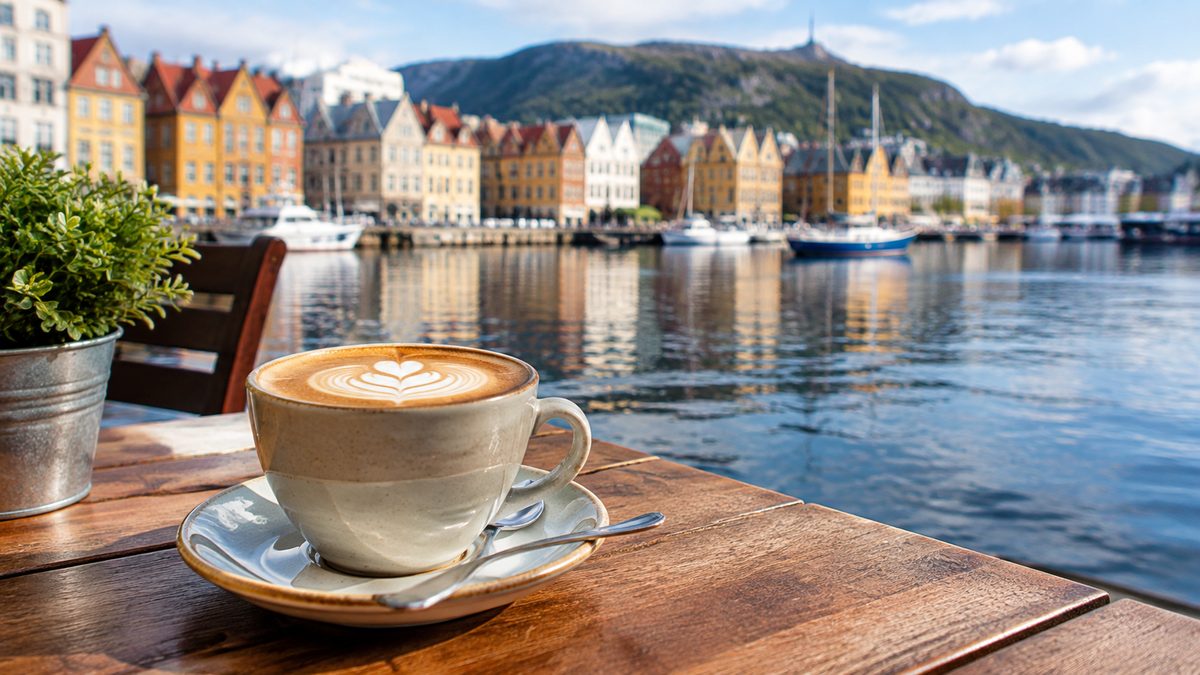
The most useful coffee zone near Salamanca Place runs from Salamanca Square through the eastern waterfront blocks and uphill into Battery Point. Most options are within a short walk, but the right direction depends on whether you want a fast Espresso, a quiet seat, breakfast, or coffee before Salamanca Market. This guide focuses on those small local choices so you can find the right stop without crossing half of central Hobart.
Salamanca Place is long enough for location to matter. A cafe that looks close on a map may sit several blocks from your parking spot, hotel, tour meeting point, or market entrance. Stone buildings, courtyards, stairs, busy crossings, and Saturday crowds can also make a short distance feel longer. Start with where you already are, then choose the nearest useful cluster.
Which part of Salamanca should you search first?
Start with Salamanca Square if you want the widest mix of coffee, food, seating, and shelter in one compact area. The square sits behind the main row of sandstone warehouses. Its enclosed setting makes it useful on windy days, while the connected lanes let you move between Salamanca Place and nearby streets without making a large loop.
The eastern end of Salamanca Place suits people arriving from central Hobart, Parliament Square, or the waterfront. This area works well for a quick drink before an appointment, ferry connection, or walk around the docks. It also gives you easy access to cafes in the lower city without turning the search into a full tour of Hobart’s city centre.
The western end suits visitors near the lawns, market stalls, and Castray Esplanade. Options become more spread out as you move towards the working waterfront, so check the walking distance before heading west for coffee alone. That direction makes more sense when coffee is part of a waterfront walk.
Walk uphill towards Battery Point when you want a calmer neighbourhood setting. The slope is short but clear. It may be a poor choice for someone with limited mobility, a heavy suitcase, or a tight departure time. For a slow morning, however, the change from a busy visitor precinct to small residential streets can be worth the climb.
Where can you get coffee quickly?
For speed, look close to your current end of Salamanca Place rather than chasing a famous cafe. A five-minute detour can turn into twenty minutes once you add a queue, an order wait, and the return walk. The closest well-run counter is often the better choice when a tour, meeting, or market visit has a fixed start time.
An Espresso, long black, or small Flat white will usually be faster than a full breakfast order. Ask whether takeaway drinks use the same queue as seated meals. Some venues process every order at one counter, while others can serve takeaway coffee before a table becomes free.
Order before browsing Salamanca Market if coffee is your first priority. Saturday demand rises early, and queues can build where pedestrian traffic enters the precinct. A useful plan is to buy coffee near your arrival point, finish it before entering the densest rows, and keep both hands free around crowded stalls.
Visitors coming from Parliament Square should search along the direct approach to Salamanca rather than walking past the precinct and doubling back. Those arriving from Castray Esplanade should check the western end first. This simple rule removes needless walking and gives you more time to enjoy the waterfront.
Where should you sit for a slower cup?
Choose Salamanca Square when you want an easy meeting place with nearby food and some protection from exposed waterfront weather. It is also simple for a group because people can arrive from different directions and meet in a clear central space.
Choose Battery Point when quiet streets matter more than a level walk. Cafes in and around the neighbourhood may feel removed from the market rush even though the precinct begins close behind Salamanca. This route suits a reader, a couple planning the day, or anyone who wants breakfast away from a large pedestrian stream.
A waterfront-facing seat can be appealing, but position alone does not tell you whether a cafe will suit a long visit. Check whether the venue has table service, shared tables, outdoor exposure, or a line waiting for seats. If you plan to work, ask before opening a laptop. Small cafes need to turn tables during breakfast and lunch peaks.
Weather should shape the choice. Hobart can feel cool beside the water even when the forecast looks mild. A sheltered courtyard may be more comfortable than an exposed table with a better view. On a clear day, coffee followed by a walk towards the docks gives you the view without tying your whole visit to outdoor seating.
How can you judge the coffee before ordering?
Read the menu board first. A cafe that names its roaster, bean origin, or changing filter option is giving you useful information. This does not guarantee a perfect cup, but it suggests that staff can explain what they are serving.
For Specialty coffee, ask one plain question: what is tasting best today? A confident answer should name the coffee and describe it in simple terms. You do not need a long lesson about processing methods. You need to know whether the cup is likely to taste bright, rich, mild, or strong.
Milk coffee gives you another quick test. A Flat white should have fine milk texture and enough Espresso flavour to remain clear through the milk. If you prefer a stronger cup, ask whether the venue can use a smaller size or an extra shot. Stating the taste you want works better than assuming every cafe uses the same cup size and recipe.
Drip coffee is less common than espresso-based coffee, so do not assume it will be ready at every counter. It may appear as batch brew, filter coffee, or a hand-poured option. Ask how long it has been sitting if it comes from a batch brewer. Fresh filter coffee can taste clean and clear, while an old batch may seem flat even when the beans are good.
Decaf drinkers should ask whether the beans are ground to order. People who need plant-based milk should confirm the available type and any extra charge before ordering. These small questions prevent disappointment without turning the order into an interview.
What changes on Salamanca Market day?
Saturday changes the way the whole precinct moves. Salamanca Market occupies the main strip, draws large crowds, and makes simple crossings slower. The closest cafe may have the longest queue because visitors stop at the first counter they see.
If you arrive early, buy coffee before spending time at the stalls. If the nearest queue is already long, move one block away from the main flow or enter Salamanca Square. A small change of direction can reduce the wait because many visitors stay on the visible market edge.
Groups should agree on a meeting point before anyone joins a coffee line. Mobile reception is rarely the main problem. Noise, crowds, and several similar sandstone entrances make it easy to miss each other. Use a fixed landmark or a named entrance rather than saying, “near the market”.
Takeaway cups also create a practical issue. Hot coffee, shopping bags, food samples, and tightly packed aisles are a poor mix. Drink near the edge of the market or sit down first. This protects other visitors and lets you pay attention to local producers rather than guarding an open lid.
Sunday through Friday usually allows a more direct choice based on drink quality and setting. Even then, cruise visits, festivals, public holidays, and large events can increase demand. Check current opening hours because small hospitality businesses may change their trading days.
Which walking route pairs best with your coffee stop?
For a short level route, begin at Salamanca Square, return to Salamanca Place, and continue along the warehouse fronts. This keeps cafes, shops, galleries, and public spaces close together. It also makes it easy to stop early if the weather turns.
For a neighbourhood loop, collect coffee near Salamanca and walk uphill into Battery Point before returning by a different street. Expect slopes, older footpaths, and a mix of steps and steep sections. People using wheelchairs or prams should check an accessible route first rather than relying on the shortest line shown by a map.
For a waterfront route, head west towards Castray Esplanade or east towards the docks. The western direction feels less commercial once you move beyond the core visitor area. The eastern direction connects more naturally with central Hobart and Parliament Square.
Do not confuse Hobart’s waterfront names with Princes Wharf, Auckland. Search results and travel posts can mix places when a query uses only “Princes Wharf”. Hobart has Princes Wharf 1 beside Salamanca, while Princes Wharf, Auckland is across the Tasman Sea in New Zealand. Add “Hobart Tasmania” to map searches if your results drift to Auckland.
A sensible walking plan puts coffee near the start of the route and a meal near the end. Carrying a hot drink through every shop or gallery is awkward, and some businesses do not allow open drinks. Finish the cup outdoors before entering small indoor spaces.
How should food needs affect your choice?
Check the food display and menu before joining a long line. A strong coffee bar may offer little more than pastries, while a breakfast cafe may require a longer table wait. Decide whether coffee or food is the main purpose of the stop.
For gluten-free, dairy-free, vegan, or allergy-related needs, ask about preparation as well as menu labels. A gluten-free item may share equipment or a display case with wheat products. Plant-based milk does not make a drink safe for every allergy. Staff need to know whether your request is a preference or a medical requirement.
Families often benefit from choosing space over reputation. Look for room around the table, easy pram access, toilets nearby, and food that can arrive quickly. A tiny coffee bar may serve an excellent drink but still be a poor fit for a family waiting with young children.
People with limited mobility should favour the flatter Salamanca Place and waterfront approaches. Battery Point offers character, but its hills can turn a casual coffee run into a demanding walk. Confirm step-free entry because many buildings in the precinct are old and access varies by doorway.
What mistakes waste the most time?
The first mistake is searching “best coffee” without checking the map scale. Results can include cafes across central Hobart that are good but irrelevant to a visit based at Salamanca. Limit the search to a walking time you can afford.
The second mistake is trusting an old opening-hours panel, social post, or travel list. Cafes change owners, menus, and trading days. Check the venue’s current listing or direct channel on the day, especially early in the week and on public holidays.
The third mistake is choosing by view when drink quality is your main concern. Waterfront position and Specialty coffee are separate features. Read the current menu, look for roaster details, and ask what is being served.
The fourth mistake is joining a long market-side queue without checking nearby lanes. Salamanca’s buildings can hide close alternatives from view. Walk to the next corner or into the square before deciding that every cafe is full.
The fifth mistake is planning a precise cafe stop without allowing for Hobart weather. Keep one indoor choice and one quick takeaway option in mind. That small backup protects the rest of the day.
What is the simplest way to choose?
Use a four-part check: your current location, available time, preferred drink, and need for food or seating. Choose Salamanca Square for a central sit-down stop. Stay near your end of Salamanca Place for speed. Walk towards Battery Point for a quieter neighbourhood setting. Use the waterfront direction when coffee is part of a broader walk.
The Hobart Field Guide is an independent local publication. Its Hobart guide homepage can help you connect a Salamanca coffee stop with nearby places without expanding the walk beyond your available time.
Before setting out, pin one cafe within a ten-minute walk of your exact Salamanca location, confirm today’s hours, and keep one nearby backup.