Breakfast in North Hobart
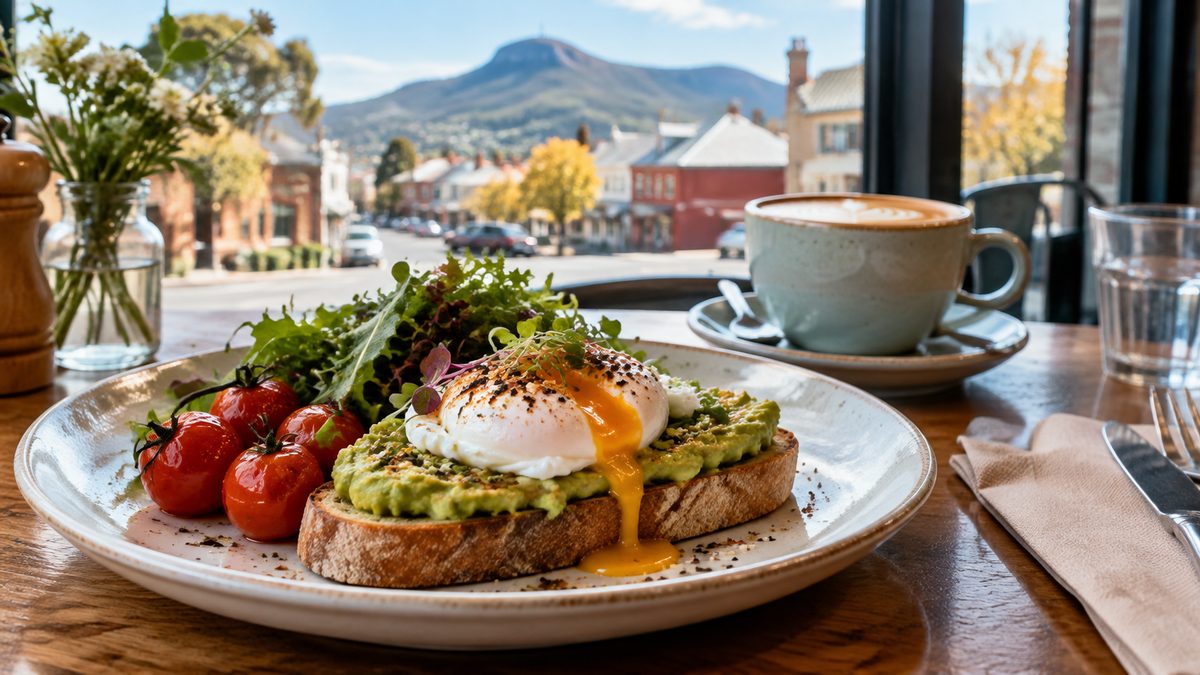
The best place to start breakfast in North Hobart is the Elizabeth Street dining strip, where several cafes sit within an easy walk. This compact area lets you compare the Menu, check the queue and choose a quick Coffee or a full Brunch without driving between venues. The right cafe depends on how much time you have, what you want to eat and whether your group has dietary needs.
North Hobart suits people who want choice within a small area. The main strip has casual cafes, bakeries and restaurants mixed among shops and entertainment venues. That variety makes it useful for a solo breakfast, a family Meal or a late start before exploring Hobart. This guide explains how to choose well without relying on a fixed list that may date quickly.
Where should you begin looking for breakfast?
Begin on Elizabeth Street between the northern edge of central Hobart and the main North Hobart restaurant strip. Most breakfast choices are concentrated along this route or within a short walk of it. You can inspect several menus before committing, which helps when prices, waiting times and dietary choices differ.
The street works well as a simple decision path. Start near the end closest to the city if you are walking from central Hobart. Continue north until you find a cafe that matches your needs. If you arrive by car, check nearby side streets as well as the main road. Parking restrictions vary by space, so read the sign beside the bay rather than assuming every place has the same limit.
Do not judge a venue by the number of people outside. A queue can mean a long wait, but it can also form because guests are ordering takeaway at the same counter. Look inside or ask for the table wait before moving on. A busy room may still seat one person quickly, while a group may need to wait.
What kind of breakfast can you expect?
Expect the familiar range found in Australian cafes, from toast and pastries to cooked plates. Eggs as food remain a core part of many breakfast menus because they can be served poached, fried or scrambled and paired with bread, vegetables or breakfast meats. Check whether sides are included. A low base price can rise fast once you add avocado, mushrooms or extra eggs.
Lighter choices often include Granola with yoghurt and fruit, toast with spreads, or a small baked item. These are useful when breakfast is followed by a large lunch. A cooked dish makes more sense when breakfast needs to carry you through a long walk, a day trip or several hours at an attraction.
Late morning brings more Brunch-style plates. These may use richer sauces, fried items or lunch ingredients. The serving can be larger than a standard breakfast, so check the description before adding sides. A dish that combines eggs, bread, greens and a rich topping may already be a complete Meal.
How should you read the menu before sitting down?
Read the Menu for clues about service, value and kitchen style. A short list often means the kitchen focuses on a small set of dishes. A long list gives a group more choice, though it can take longer to compare. Neither format proves quality on its own.
First, check serving hours. Some venues stop breakfast service before lunch, while others offer an all-day list. This matters if you arrive after a flight, a long drive or a slow morning. Next, check whether the cafe uses table service or counter ordering. Counter service can suit a quick stop. Table service is often easier for a group that wants time to talk.
Then read the small details. Look for the type of bread, the number of eggs and whether sauces come on the side. Check the symbols used for vegetarian, vegan or gluten-free dishes. A symbol may mean the dish can be changed rather than being prepared that way as standard. Ask what the change removes and whether it changes the price.
Also check surcharges before ordering. Weekend and public holiday charges may apply. Card fees can also affect the final cost. These charges should be clear at the counter, on the menu or near the payment point.
How can you choose good coffee?
Good Coffee starts with an order that suits your taste. If you usually drink milk coffee, ask which size gives the intended coffee-to-milk ratio. A larger cup can taste weaker even when the espresso itself is well made. If you prefer black coffee, ask whether the cafe offers batch brew or a second bean for long black and filter orders.
Speed matters too. A venue with a separate takeaway point may serve coffee faster than one handling every order through the same counter. During the morning rush, watch whether takeaway customers and seated guests share one line. This gives you a better idea of the wait than the number of occupied tables.
Plant-based milk, decaf and extra shots often cost more. Check these charges if you are comparing value. If coffee is the main reason for the stop, choose the venue based on its drink setup and bean information. If food matters more, choose the dish first and treat coffee as part of the full visit.
What works best for vegetarian diners?
North Hobart's broad food mix makes Vegetarian cuisine easier to find than it is in areas with only bakeries or takeaway shops. Still, the number of meat-free dishes matters less than how complete they are. A plate of toast with one removed ingredient is poor value if the kitchen offers no replacement.
Look for dishes built around mushrooms, beans, greens, grains, eggs or plant-based proteins. These tend to remain satisfying after meat is removed. Vegan diners should ask about butter, dairy-based sauces, yoghurt and bread ingredients. A dish marked vegetarian can still contain several animal products.
People avoiding gluten should separate preference from medical need when speaking with staff. A gluten-free bread option does not prove that food can be prepared without cross-contact. Anyone with coeliac disease or a serious allergy should explain the requirement clearly and ask about the kitchen process before ordering.
When is the best time to go?
Go early on weekends if you want the widest choice of tables. The busiest period usually falls after the first breakfast sitting, when late starters and brunch groups overlap. A solo diner or pair has more flexibility. Groups need more time because many small cafes cannot join tables without blocking service areas.
Weekday mornings often suit visitors who want a quieter meal. Commuter demand can create a short takeaway rush, but tables may turn faster than they do on weekends. School holidays, public events and wet weather can change the pattern. Rain often pushes people indoors and fills small dining rooms even when the street looks quiet.
If timing is tight, set a limit before joining a queue. Ten minutes may be reasonable for a flexible morning. It can ruin a plan built around a booked tour, ferry or airport transfer. Ask staff for a realistic estimate and include cooking time after you are seated.
Which breakfast suits the day you have planned?
Match breakfast to what comes next. For a walking day around Hobart, choose food that combines protein, carbohydrate and some fruit or vegetables. Eggs on toast with greens can provide a steady start. Granola may suit a lighter morning, though portions and added sugar vary. Read the description rather than treating every bowl as the same.
For a road trip, avoid ordering more than you can comfortably finish. Rich food followed by a long drive can feel heavy. A smaller plate plus a takeaway drink may work better. Check where you can safely store any leftover food, especially if it contains eggs, yoghurt or meat.
For a social Brunch, comfort and pace matter more than speed. Look for enough indoor seating, room around the table and a menu that covers different diets. If anyone in the group has limited mobility, inspect the entrance before committing. Older shopfronts can have narrow doors, steps or tight paths to amenities.
Families should check whether highchairs, space for a pram and simple dishes are available. A children's menu is useful, but flexible side orders may work just as well. Toast, eggs and fruit can be easier to share than a large plated dish with strong sauces.
How much should you budget?
Set a budget for the whole order rather than the listed main dish. Drinks, alternative milk, extra sides and surcharges can move the final bill well above the first price you notice. A simple breakfast with one standard drink will cost less than a composed brunch plate with additions.
Value does not always mean the largest serving. A large plate is poor value if much of it goes uneaten. Better value comes from a dish that fits your appetite, includes the parts you want and arrives in time for the rest of your day.
Couples and groups can control cost by checking whether sides are large enough to share. Ask first, since portion sizes differ. Ordering one extra side for the table can make more sense than adding the same item to every plate.
Should you book or walk in?
Walk-ins suit one or two people who can compare nearby venues. Booking becomes more useful for larger groups, a set meeting time or a weekend celebration. Some breakfast cafes do not take bookings during peak periods, so check the current policy directly with the venue.
If no bookings are offered, choose a meeting point outside the busiest doorway and arrive together. A cafe may decline to seat an incomplete group when tables are in high demand. Decide in advance how long the group will wait before trying another option.
Opening hours and service policies can change with staffing, seasons and public holidays. Check the cafe's current official listing or social page on the day. A directory entry can help you discover a venue, but the business itself is the better source for a last-minute closure or changed kitchen time.
What mistakes can spoil a North Hobart breakfast?
The first mistake is choosing from photos alone. A polished image cannot tell you the current price, wait time or serving size. Read the current menu and recent business updates.
The second is assuming every dietary symbol means the same thing. Ask what can be changed and how the kitchen handles allergies. This takes less time than sending back a dish that does not meet your needs.
Another mistake is driving past several suitable cafes while searching for a famous name. North Hobart's main advantage is choice within walking distance. Park once when practical, walk the strip and compare what is available that morning.
Finally, do not overlook the return trip. Check your parking limit before ordering a slow meal. If you walked from central Hobart, allow time to get back for the next booking.
How do you make the final choice?
Use four checks: the dish you want, the real wait, the full price and the needs of your group. Give each one equal weight. A popular cafe is a poor choice when its kitchen closes soon, its queue breaks your schedule or its menu cannot safely meet a dietary need.
The compact Elizabeth Street strip rewards a flexible plan. Compare two or three menus, ask one clear question if needed and choose the place that fits the morning you actually have. For more local planning ideas, visit The Hobart Field Guide, an independent guide to Hobart.
Actionable takeaway: Start on Elizabeth Street before the main weekend rush, check the menu and total wait at two nearby cafes, then choose the one that best fits your appetite, budget and next booking.