Theatre Royal Hobart Visitor Guide
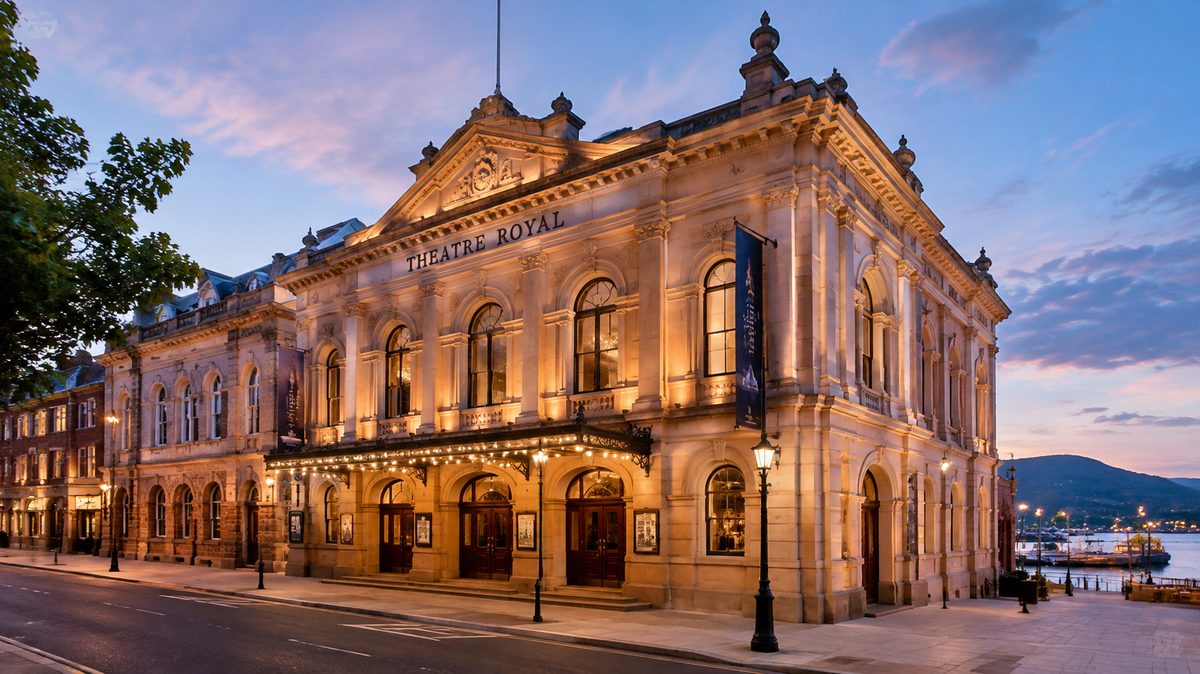
The best Theatre Royal visit starts with the right venue, a suitable seat and an arrival at least 30 minutes before the performance. Hobart’s main theatre precinct contains several performance spaces, so check the room named on your ticket before leaving home. This guide explains how to choose a performance, reach the venue, read the seating plan and avoid common problems on the night.
The Theatre Royal stands on Campbell Street in central Hobart. Its historic stage shares the wider Hedberg precinct with modern performance and teaching spaces linked to the University of Tasmania. The result is a venue that can host theatre, Opera, Music, Dance and other live work without forcing every production into the same type of room.
What should you check before buying a ticket?
Start with the performance date, start time, venue name and age advice. The venue name matters because a listing may refer to the historic Theatre Royal, the Ian Potter Recital Hall or another room within the Hedberg. Do not assume that every event uses the traditional main Auditorium.
Read the event description before choosing seats. A large stage production may reward a central view, while a concert can work well from a wider range of positions. Some shows use haze, loud sound, flashing light or adult themes. Production warnings may be added after rehearsals, so check the listing again close to the date if you have sensory needs.
Look at the running time as well. A stated duration may include an interval, but this is not automatic. The difference affects parking, transport and late dining plans. If the listing gives no interval details, treat the published finish time as an estimate rather than a fixed promise.
Buy through the venue’s official ticket channel. Ticket resale pages can display inflated prices, poor seat details or terms that make refunds hard. Check the final order before payment, including the date and performance time. Matinee and evening sessions of the same show are easy to confuse.
Which performance space are you visiting?
The historic Theatre Royal is the part most first-time visitors picture. It has the close, layered feel of a traditional theatre, with stalls and raised seating areas facing a framed stage. Its scale helps performers feel near even when a visitor is sitting above the main floor.
The Hedberg is the adjoining performing arts precinct created through a partnership involving the Theatre Royal and the University of Tasmania. Its rooms support public performances as well as creative learning. Modern circulation areas connect with the older building, but the different entrances and spaces can still surprise a first-time visitor.
Your ticket is the best source of truth. Find the exact venue or room name before planning where to enter. If the wording is unclear, contact the box office before the performance day. A two-minute check can prevent a rushed search after the doors are open.
Do not use the style of the event as a shortcut. Opera may appear in the historic theatre, but Music can be programmed in a recital space. Dance, talks and student work may also move between rooms according to staging and audience needs.
How do you choose a good seat?
Choose for your own priorities rather than chasing one seat described as the best. A central seat gives a straight view of the stage. A seat near an aisle makes entry easier. A front position brings facial detail closer, while a raised position can make stage patterns easier to read.
In a heritage theatre, two seats in the same price band may offer different sightlines. Balcony fronts, rails, box edges and the angle toward the stage can affect the view. Read any restricted-view note attached to the seat. That warning is useful information, even when the price reduction looks tempting.
People who need extra legroom, step-free access or space for a mobility aid should contact the box office rather than guess from a small online map. The staff can explain the route to the seat and whether stairs are involved. They can also record relevant access needs when the booking system allows it.
For children, a clear sightline matters more than closeness. A child in the stalls may struggle to see past adults. A suitable raised section may provide a better full-stage view, subject to the production and the child’s comfort with stairs or height.
A hypothetical example shows why seat choice needs context. A visitor attending spoken drama may value a central position for clear dialogue and facial detail. The same person attending a broad dance work may prefer to sit farther back, where the full group remains visible at once.
When should you arrive?
Aim to reach the venue 30 minutes before the listed start. Allow more time if you need to collect tickets, ask about access or find parking. This margin also leaves room for a toilet stop and a calm move to the correct door.
Live performance starts on a schedule. Late admission may wait for a suitable break, and some productions cannot admit latecomers at all. Staff follow the production’s rules because opening a door or moving people through a dark row can distract the audience and performers.
Check whether your ticket must be printed. Many venues accept a mobile ticket, but a bright screen and weak signal can slow the queue. Download the ticket before leaving and raise the screen brightness only when it is ready to scan. If several tickets sit on one phone, arrange them in order before reaching the usher.
Doors to the building and doors to the performance room may open at different times. Entering the foyer does not mean seating has begun. Listen for announcements and keep your ticket available until an usher has directed you to the right level or row.
How do you get there?
The venue is in central Hobart on Campbell Street, within walking distance of much of the central business district. Walking can be the simplest option for visitors staying in the city, especially when a performance ends before local streets become quiet.
Drivers should check current parking signs rather than rely on an old online comment. Street limits, loading areas and event demand can change the useful options near the venue. Leave time to park farther away and walk back. A plan that depends on finding a space beside the entrance is fragile.
Bus users should check the current timetable for the performance date and the return journey. Evening and weekend services may run less often than weekday daytime services. Note the final useful departure before the show begins, particularly when the running time is approximate.
A taxi or rideshare can work well for a group or a visitor with limited walking range. Arrange the pickup at a safe legal stopping point. Campbell Street may become busy as an audience leaves together, so moving a short distance from the main exit can make the meeting easier.
Hobart weather can shift during an evening. A coat that feels unnecessary at arrival may help after the show. Choose footwear that suits wet pavements and any stairs between your seat and the exit.
What accessibility details should you confirm?
Contact the box office before booking if step-free entry, wheelchair space, companion seating or hearing support will shape your visit. State what you need in plain terms. Asking whether a route is “accessible” may produce less useful information than asking whether it contains steps, how far it runs and whether a lift serves the booked level.
Visitors who cannot stand for long should ask about waiting and seating arrangements before doors open. Someone with low vision may need directions that name fixed features rather than relying on signs. A visitor with hearing loss should ask which support system applies in the booked performance space and whether any device must be collected.
For sensory needs, read the production advice and contact the venue if the information is incomplete. Ask about sudden sound, lighting effects and whether re-entry is allowed after leaving the room. These details vary by production, so advice for one show should not be carried over to another.
Book accessible positions early when possible. A heritage Auditorium has physical limits that cannot always be solved on the night. Early contact gives staff more scope to match the booking with the correct route and seating area.
What should you expect inside?
The historic interior is part of the experience, but it is still a working venue. Follow usher directions even when another staircase appears quicker. Different doors may serve separate rows or levels, and taking the wrong route can lead to narrow passages or extra steps.
Keep bags compact. Large items create problems in tight rows and must not block exits. Check the venue’s current cloakroom or storage advice before bringing luggage. A small bag that fits close to your seat is the safer choice.
Turn your phone off or place it in a mode that stops sound, vibration and screen light. Smart watches can glow when the wearer moves. Photography and recording rules differ between productions, but recording the performance is commonly restricted. Follow the announcement given for that event.
Food and drink rules can also vary by room. Finish anything that cannot enter the performance space before taking your seat. If the show has an interval, decide whether you need the toilet or refreshments first. Interval queues form quickly and the break may be short.
Applause customs are simple for most events. Follow the room if you are unsure. During classical Music or Opera, some audiences wait until the end of a complete work or act. The program may show the structure, and the conductor or performers usually make the ending clear through their movement.
How does the venue fit into Hobart’s history?
The Theatre Royal opened in 1837 and is widely recognised as Australia’s oldest working theatre. That long use matters more than the age alone. The building has remained a place where audiences gather for live performance, even as its rooms, services and surrounding city have changed.
Its history includes periods of uncertainty and repair. The building survived changing tastes and threats to its use, then gained new support through restoration and the development of the neighbouring Hedberg. Visitors now move between nineteenth-century theatre design and a modern performing arts complex.
The partnership with the University of Tasmania adds teaching and creative work to the precinct. Students, artists and public audiences can use connected facilities for different purposes. This mix explains why the site may feel active outside the hours of a headline stage show.
The Hobart Field Guide is an independent publication. Its role is to help visitors understand places in practical local context. For more ideas around the city before or after a show, use The Hobart Field Guide as a starting point.
Can you eat before the show without rushing?
Yes, if you work backwards from the performance time. Finish a full meal about 45 minutes before the curtain so payment, walking and ticket scanning do not become a race. Choose a venue that accepts bookings when the city is busy.
Tell restaurant staff that you have a theatre deadline when ordering. Give the actual time you must leave, not the show’s start time. A kitchen cannot help if it learns about the deadline after the meal has been delayed.
A drink or small snack requires less time, but queues near performance venues often rise together. Check service hours, since some cafés close well before evening events. Do not assume that every nearby business opens on Sunday night or after a matinee.
After the show, choices may narrow quickly. If a late meal matters, confirm the kitchen’s closing time and make a booking where possible. The advertised closing time for a venue can be later than its final food orders.
What mistakes spoil a first visit?
The most common mistake is treating “Theatre Royal” as one room. Read the venue line on the ticket. The next is arriving at the listed start time, which leaves no room for parking, scanning or finding a raised level.
Another error is selecting a cheap seat without reading its notes. A restricted view may suit someone who mainly wants to hear a concert, yet frustrate someone attending visual comedy or Dance. Price alone cannot show whether the compromise suits the event.
Visitors also lose time by keeping the only copy of every ticket inside an email thread. Download each ticket and check that the barcode opens. Make sure the phone has enough power for the return journey as well.
Do not build a tight plan around an exact finish. Applause, intervals and live pacing can shift the end time. Leave a margin before a final bus, dinner booking or pickup that cannot wait.
What is the simplest plan for performance day?
- Morning: Check the ticket for the date, start time, room and seat.
- Before leaving: Download the ticket, review access notes and confirm the route.
- On arrival: Reach Campbell Street at least 30 minutes early and follow signs for the named performance space.
- Before seating: Use the facilities, silence devices and keep the ticket ready.
- After the show: Follow staff directions and use the transport plan you checked earlier.
Actionable takeaway: Open your ticket now and confirm its venue line, seat, start time and arrival route.