Vegetarian Food in Hobart
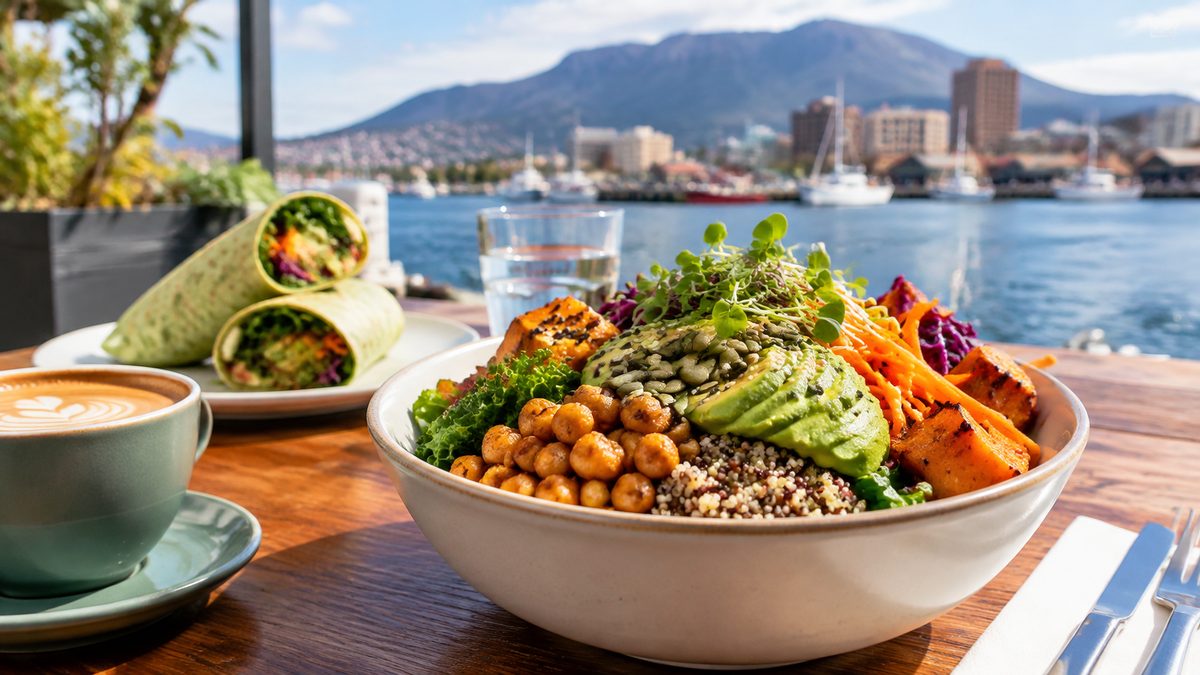
Hobart has plenty of good vegetarian food, especially in the city centre, Salamanca, Battery Point and North Hobart. The best options range from produce-led cafe meals to Indian curries, Middle Eastern cuisine and modern share plates. The main task is choosing food that feels like a complete meal rather than a meat dish with the meat removed.
This guide from The Hobart Field Guide explains what to look for, where different dining areas work best and how to order with confidence. It also covers breakfast, takeaway, markets and common dietary needs without relying on a fixed restaurant list that can date quickly.
What makes a vegetarian meal worth ordering?
A strong vegetarian meal has its own structure. It uses vegetables, grains, beans, lentils, cheese, eggs, nuts or tofu to build flavour and substance. A weak one replaces the main part of a dish with extra leaves.
Vegetarian cuisine works best when the cook treats plants as the starting point. Roasting can deepen the sweetness of pumpkin or carrots. Charring gives cabbage and eggplant a smoky edge. Fermentation, pickles, herbs and spice pastes add contrast. Beans, lentils, eggs and cheese make the plate more filling.
Read menu descriptions closely. A dish that lists a grain, a protein source, cooked vegetables and a sauce will usually provide a better meal than one described only as a seasonal salad. Soup can also be substantial when it contains lentils, beans, noodles or bread, but a light vegetable broth may leave you hungry.
A meat alternative can work well in burgers, tacos or noodle dishes. It should still suit the recipe. A heavily processed patty is useful when you want familiar comfort food, while mushrooms, chickpeas or tempeh often fit produce-led cooking better. Neither type is automatically healthier. The full dish matters more than the label.
Which Hobart areas are easiest for vegetarian dining?
Central Hobart gives you the widest choice within a short walk. Cafes, casual lunch counters and dinner venues sit around the central business district and the streets leading towards the waterfront. This area suits visitors who want several backup options without driving.
Salamanca works well when a group wants different types of food. Menus around the precinct often include share plates, pizza, brunch dishes and vegetable sides. Battery Point is quieter and suits a slower cafe meal, though the number of choices can be smaller outside busy periods.
North Hobart is useful for dinner because its restaurant strip covers several cooking styles. Indian food, pizza, Asian dishes and Middle Eastern cuisine tend to offer more than one workable vegetarian order. This matters for groups in which one person eats vegetarian food and others do not.
Opening hours in Hobart can change between seasons, and some kitchens close between lunch and dinner. Check the venue's current menu and service times on the day. A menu photo uploaded months ago may no longer reflect the food being served.
What should you order for breakfast or brunch?
Breakfast is one of the easiest vegetarian meals to find in Hobart. Eggs as food remain central to many cafe menus, appearing poached, scrambled, baked or folded into omelettes. They provide protein and pair well with local mushrooms, tomatoes, greens, beans and sourdough.
If you eat eggs, look for a plate with vegetables and a filling base such as toast, potato or beans. Adding avocado to plain toast may cost almost as much as a composed dish while offering less variety. A vegetable hash, baked eggs or a mushroom dish will often be the stronger order.
People who avoid eggs can look for porridge, fruit with granola, toast with nut butter, chia pudding or a tofu scramble. Confirm whether granola contains honey and whether pastries use butter. These details matter to people following a plant-based diet, even when a menu marks the main dish as vegetarian.
Cafe menus often allow swaps, but replacement fees can turn a simple breakfast into an expensive one. Read the listed sides before changing several parts of the dish. Choosing an item already designed without meat usually gives better value and a more coherent plate.
Which cooking styles offer the best lunch and dinner choices?
Indian cooking is often dependable because lentils, chickpeas, peas, paneer and vegetables already form the base of many dishes. Ask whether rice, naan, sauces or side dishes contain ghee if you avoid dairy. Also check whether a shared fryer is used if cross-contact matters.
Mediterranean cuisine offers vegetable-rich meals through dips, salads, legumes, grilled vegetables, pasta and flatbreads. A useful order might combine hummus or white beans with bread, cooked vegetables and a grain dish. Check pasta sauces and risotto stock, since vegetable dishes may still use meat stock.
Middle Eastern cuisine can provide falafel, hummus, lentil dishes, stuffed vegetables and herb-led salads. Falafel is most satisfying when served with bread, tahini, pickles and vegetables. A small bowl of hummus sold as a main meal may be better treated as one part of a shared order.
East and Southeast Asian menus can also work well, but hidden ingredients need attention. Fish sauce, shrimp paste, oyster sauce and meat stock may appear in dishes that look vegetable based. Ask whether the kitchen can prepare the dish with a vegetarian sauce rather than requesting the removal of one visible ingredient.
Pizza and pasta are easy group choices. Seek toppings with contrast, such as mushrooms with herbs or roast pumpkin with a sharp cheese. Ask whether Parmesan or similar hard cheese uses animal rennet if that affects your diet. A dairy product can also appear in pesto, dressings, pastry and desserts where it is less obvious.
How can market produce improve a Hobart food day?
A farmers' market gives you a direct view of what grows well in Tasmania at that time of year. Depending on the season and stallholders, you may find apples, berries, mushrooms, leafy greens, root vegetables, bread, preserves and prepared food. Stock and market schedules change, so check current details before travelling.
Markets are useful for breakfast, snacks and picnic supplies. They are less reliable when every person needs a full hot meal at a fixed time. Arrive with a backup cafe in mind, especially in wet weather or near the end of trading.
Hobart's cooler climate supports a style of eating that suits soups, roasted vegetables, bread, cheese and preserved produce. This can give local vegetarian food a different feel from menus built around tropical fruit or raw salads. Seasonal eating does not mean accepting a plain plate. It means choosing dishes that use the produce available well.
Farm-to-table is a broad menu claim rather than a guarantee that every ingredient is local. Ask which vegetables, cheeses or grains come from Tasmanian producers if origin matters to you. Clear sourcing details carry more weight than a general phrase printed at the top of a menu.
Can vegan and vegetarian diners use the same guide?
They can use the same areas and cooking styles, but they need different checks. Vegetarian food may contain eggs, milk, butter, cream, cheese or honey. Vegan food excludes animal-derived ingredients, so a vegetarian menu symbol does not settle the question.
People following a plant-based diet should ask about cooking fats, sauces and garnishes. Butter may finish a vegetable dish. Egg can bind a patty. Cheese may be added after plating. These are simple questions for the kitchen when asked before ordering.
Be precise when speaking with staff. Say which ingredients you avoid instead of using a broad label and hoping it means the same thing to everyone. If cross-contact is a health concern, state that clearly. A lifestyle preference and a severe allergy require different kitchen controls.
What if you also need gluten-free food?
A vegetarian diner following a gluten-free diet needs to check more than bread and pasta. Soy sauce, crumbed fillings, seitan, gravy and some meat-free patties can contain gluten. Shared fryers and preparation surfaces may also cause cross-contact.
Meals based on rice, potatoes, polenta, buckwheat, lentils or chickpeas can be easier to assess. Naturally gluten-free ingredients do not make the finished dish safe by default. Sauces, seasoning mixes and kitchen handling still matter.
Ask one clear question: can the kitchen prepare this vegetarian dish without gluten and manage the level of cross-contact you need? If staff cannot confirm the ingredients, choose a simpler dish or another venue. People with coeliac disease should rely on the kitchen's current process, not a review written by another customer.
How do you avoid hidden animal ingredients?
Start with stock. Vegetable soup, risotto and sauce may use chicken or beef stock even when no meat appears on the plate. Next, check cooking fat. Lard, butter and ghee can change whether a dish suits your needs.
Cheese needs a closer look for strict vegetarians because some varieties use animal rennet. Desserts may contain gelatine. Asian sauces can contain fish or shellfish. These ingredients are easy to miss because they often form part of a base sauce made before service.
Do not ask only whether a dish can be made without visible meat. Ask whether the stock, sauce and cooking fat are vegetarian. This wording gives staff a clear set of ingredients to check.
How can you judge a menu before booking?
Look for at least two complete vegetarian mains or a set of share plates that can form a full meal. One token pasta dish gives you little room if it sells out or contains an ingredient you dislike. Several vegetable sides do not always add up to good value.
Check whether the menu labels vegetarian and vegan dishes separately. Clear labels reduce confusion, although you should still ask about strict dietary needs. Menus that name key ingredients and cooking methods make it easier to judge substance before you arrive.
Recent menu pages from the venue itself are more useful than old review photos. Social posts can help confirm seasonal specials, but they should not replace a booking check. If the meal marks an event, call and ask what the kitchen can serve on that date.
Price also needs context. Local produce and skilled preparation can justify a higher cost. A high price does not rescue a small, incomplete dish. Compare the main components, serving style and likely need for extra sides.
What works best for takeaway or a picnic?
Curries, grain bowls, falafel wraps, pizza and sturdy salads usually travel well. Crisp fried food can soften in a closed box, while dressed leaves may wilt. Ask for dressing on the side if you will not eat straight away.
For a picnic, combine bread or crackers with dips, fruit, nuts, cheese or a vegan spread. Add prepared vegetables or a filled roll for a more complete meal. Keep chilled food cold and use a sealed container, particularly on a warm day.
Hobart weather can change fast. Choose a sheltered backup spot and avoid buying food that requires careful plating if rain looks likely. The aim is a meal that remains easy to carry and pleasant to eat.
How should a group choose a place?
Mixed groups do best at venues where vegetarian dishes already belong on the menu. This avoids last-minute requests that leave one diner with side dishes. Share-style restaurants can work well when enough plates are clearly vegetarian and serving sizes are understood.
Before booking, identify each person's firm needs. Separate preference from allergy or coeliac requirements. Then confirm that the kitchen can meet the strictest need. This saves time at the table and helps staff give an accurate answer.
If choice matters more than table service, build the meal around a market, food hall or central dining area where people can buy from different counters. Agree on a meeting point before ordering so hot food does not cool while the group searches for seats.
What is the simplest plan for finding a good meal?
Use a short decision process rather than scrolling through long lists of recommendations:
- Choose the dining area based on where you will already be.
- Check the venue's current menu for two complete vegetarian options.
- Confirm hidden ingredients and cross-contact requirements directly.
- Check today's opening hours before walking or driving there.
This approach works because it tests the details most likely to affect the meal. It also keeps your plans flexible when menus, trading hours or seasonal produce change.
Your next step: choose one Hobart dining area, open two current menus and book the place with the strongest complete vegetarian main.