Salamanca Galleries Guide
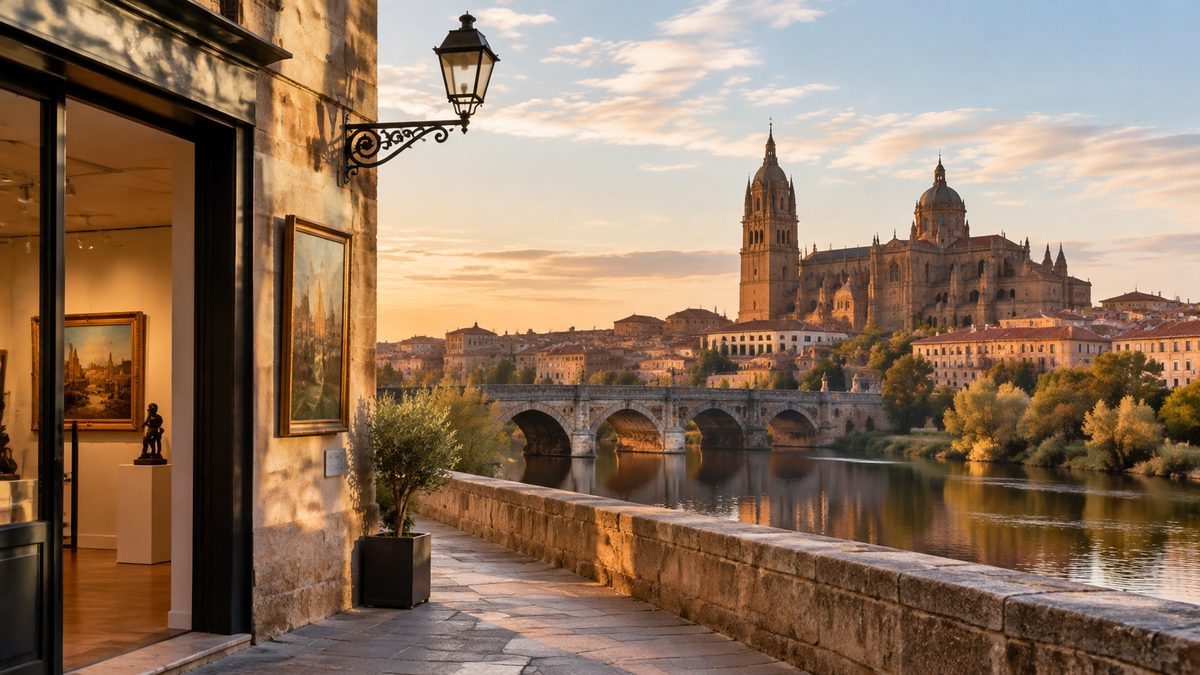
The best way to explore Salamanca’s galleries is to follow a short walking loop, check current exhibition listings first, and leave time for the Salamanca Arts Centre. Most stops sit within a compact part of Hobart, yet their programs can differ greatly. One room may hold a solo painting show. Another may feature Ceramic art, photography, jewellery or experimental work. A little planning helps you see work that suits your interests instead of relying on whichever doors happen to be open.
This Salamanca galleries guide focuses on the practical choices that shape a useful visit. It explains where to begin, how to read exhibition details and how to combine commercial galleries with artist-run spaces. It also covers buying local work without pressure. For wider planning around the city, use The Hobart Field Guide alongside current venue listings.
Where should you begin your gallery walk?
Begin near the Salamanca Arts Centre on Salamanca Place. This puts several creative spaces within one historic group of buildings and gives the walk a clear base. The centre occupies converted sandstone warehouses beside the waterfront precinct. Its galleries, studios, shops and performance spaces make it more than a single Art gallery.
Do not assume every room follows the same schedule. The centre hosts changing programs, so an Exhibition may run for a few weeks and then close while the next one is installed. Some spaces open daily. Others keep shorter hours or close between shows. Check the centre’s official program on the day of your visit, then note the venue name and room location.
A sensible route starts inside the arts centre, continues along Salamanca Place and then turns towards the lower edge of Battery Point. This keeps most walking on level ground before any climb into the residential streets. It also makes it easy to stop early if weather or time changes.
What makes the Salamanca Arts Centre worth extra time?
The Salamanca Arts Centre gives visitors access to several forms of Art in one place. Its program can include painting, printmaking, sculpture, installation, photography, craft and design. That range matters because Salamanca is easy to mistake for a strip of retail galleries. The centre shows how working studios, community programs and temporary displays also shape the area.
Look at the program before deciding how long to stay. A large group Exhibition can take 40 minutes or more. A small project room may take ten minutes, yet reward close attention. Read the wall text after your first look at the work. This lets you form an initial response before the curator’s notes guide your reading.
The building itself can make rooms harder to find. Warehouse levels, courtyards and separate entrances do not always match a visitor’s idea of one gallery complex. Use the on-site directory and confirm the exact floor. If a door appears closed, check the stated hours before deciding that the show is unavailable.
How can you tell which exhibitions suit you?
Start with medium, artist and theme. These details reveal more than broad labels such as local Art or Contemporary art. A visitor interested in landscape painting may prefer a survey of Tasmanian places. Someone interested in process may get more from textiles, printmaking or Ceramic art. A show built around sound or moving image needs a different amount of time from a room of small works on paper.
Use exhibition descriptions to answer four points:
- Is the work available to buy, or is the display presented mainly for public viewing?
- Does the show feature one artist or a group?
- Is the medium clear from the listing?
- Does the venue name match the address and room you plan to visit?
Commercial galleries often represent a set group of artists and may display available works beyond the main show. Public or artist-run spaces may focus more on a temporary idea. Neither type offers a better visit by default. The right choice depends on whether you want to browse, learn about a practice or consider a purchase.
What kinds of art are you likely to find?
Salamanca’s changing programs commonly draw from Tasmanian painting, photography, sculpture, craft and design. Contemporary art may appear as an installation, a video work or a piece made from found material. Traditional formats also remain common. The useful distinction is how the artist uses the medium, not whether the work looks new or old.
Ceramic art deserves a close look because it can sit between sculpture, design and daily use. A vessel may be made for a table, while another clay work exists only as sculpture. Check the label for the firing method, clay body and dimensions. These details explain why two pieces of similar size may have very different surfaces and prices.
Approach cultural labels with care. Visual arts of the Indigenous peoples of the Americas describes traditions from the Americas and should not be used as a loose substitute for Aboriginal Australian art. If a Salamanca exhibition presents First Nations work, use the Nation, community and artist information supplied by the venue. Ethical presentation should identify the artist and source clearly rather than treating distinct cultures as one style.
How long should you allow?
Allow about two hours for a focused route through several spaces. Set aside half a day if you like reading labels, speaking with staff or comparing works across venues. The small distance between galleries can create a false sense that the whole area takes one hour. Viewing takes longer than walking.
A compact plan works well:
- Spend 45 to 60 minutes in the Salamanca Arts Centre.
- Walk along Salamanca Place and enter only the galleries that match your chosen medium or artist.
- Continue towards Battery Point for nearby independent spaces or a break.
- Return by the waterfront side of the precinct.
Choose fewer stops if you have children, limited mobility or a tight ferry or bus connection. Three well-chosen rooms usually offer more than rushing through every open door.
When is the best time to visit?
A weekday visit usually gives you the calmest viewing conditions. Staff may also have more time to answer questions about an artist, materials or sales. Saturday brings more energy because Salamanca Market fills the precinct, but it also brings crowds, noise and heavier demand for parking.
The Salamanca Market can add local food, craft and design to the day. It can also slow movement along the street. If galleries are your main purpose, arrive near their opening time and confirm which entrances remain easy to reach during market trading. Do not expect every gallery to open early just because the market has begun.
Sunday and public holiday hours can differ. Exhibition changeovers also cause short closures that standard map listings may miss. Check the gallery’s own website or social page on the morning of your visit. Treat map services as a location tool, not the final source for opening hours.
Can you buy art without feeling pressured?
Yes. Start by asking whether a work is available and request the price list. Galleries expect these questions. You do not need to explain your budget or decide during the visit.
If you are interested in a piece, confirm the artist’s name, title, year, medium and dimensions. Ask whether the listed price includes framing and whether the gallery can arrange delivery. For editioned prints or photographs, check the edition size and the number of the work. For Ceramic art, ask how it should be handled, mounted or cleaned.
Small works and artist-made objects can be easier to carry, but size should not be the only guide. Direct sunlight, moisture and wall strength affect what can live safely in your home. A framed work may also cost more to ship than expected. Get the full cost before paying.
Serious questions are welcome even when you are only learning. Ask what drew the gallery to the artist, how the work was made or whether related pieces are available. Avoid asking for an instant discount. If a gallery offers payment terms or a formal reduction, staff will explain the conditions.
What should you look for beyond the main display?
Look for stock rooms, small project spaces and artist studios that welcome visitors. A main Exhibition reflects one curatorial choice. Other available work may reveal a wider range of artists, prices and media.
Pay attention to labels and printed room sheets. They can tell you whether a work belongs to a series, uses local material or responds to a specific Tasmanian place. If a work has no visible label, ask before taking a photo of its details. Some venues provide a digital catalogue through a QR code.
Gallery staff can explain whether an artist lives in Tasmania, works here for part of the year or is represented from interstate. That difference is useful when your aim is to support local practice. A picture of a Tasmanian subject does not prove that the artist is local.
How should you handle photography and gallery etiquette?
Check before taking photographs. Permission can change between exhibitions because artists and lenders control image rights. A venue that allows general room photos may still ban close images of individual works. Flash should stay off unless staff state otherwise.
Keep a safe distance from artwork and watch bags in narrow rooms. Do not touch frames, plinths or ceramics. If an interactive piece invites contact, follow its written directions. Food and drinks should remain outside display spaces.
Speak quietly when another visitor is watching a video or listening to sound work. Move aside before reading a long catalogue entry so others can see the piece. These small choices matter in compact rooms where one person can block the view.
How can you connect the galleries with Battery Point?
Battery Point sits directly uphill from Salamanca and works well as the second part of the walk. The change is clear. Salamanca Place centres on warehouses, cultural venues and the waterfront economy. Battery Point has cottages, steep lanes and smaller commercial pockets.
Use Kelly’s Steps if stairs suit your group, or choose a gentler street route when access matters. Historic surfaces can be uneven, especially after rain. Wear shoes with grip and avoid building a route that crosses the hill several times.
Keep the gallery purpose clear. Battery Point adds context and a place for a break, but it should not take most of the time reserved for viewing. If an independent gallery or studio is part of your plan, confirm that it welcomes walk-in visitors. Some creative workplaces open by appointment only.
What mistakes can weaken the visit?
The most common mistake is treating every online pin as a public gallery. Some listings point to studios, dealers without regular opening hours or businesses that have moved. Verify the address through the venue’s own current listing.
Another mistake is trying to see every room. Gallery fatigue makes works blur together. Pick a focus such as Tasmanian painting, clay, photography or experimental Art. Add one unfamiliar medium to keep the route open to surprise.
Do not plan around a single advertised artist without checking the dates. Temporary shows can end before older event pages disappear from search results. Save the current program page or take a screenshot of the listing before leaving your accommodation.
Finally, do not confuse Salamanca’s galleries with the Tasmanian Museum and Art Gallery. TMAG is a separate institution near the city waterfront with museum collections and broader displays. It can complement this walk, but adding it turns a compact gallery visit into a longer cultural day.
What is the most useful way to plan the route?
Choose one current Exhibition at the Salamanca Arts Centre as your anchor, add two nearby gallery stops, and check all three opening times on the morning you go. That single action creates a focused route while leaving enough time to look closely.