Salamanca Market Food Guide
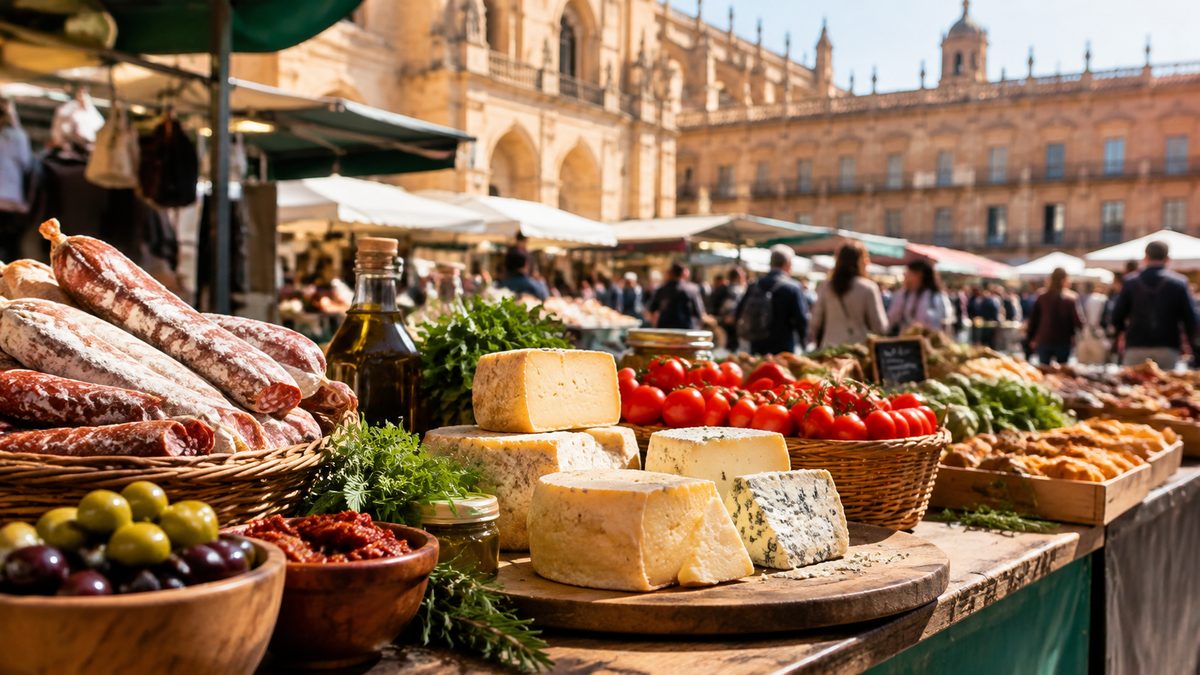
The best way to eat at Salamanca Market is to arrive hungry, walk the full food area once, then choose one hot dish and one Tasmanian product to take home. This simple plan stops the first long queue from deciding your meal. It also gives you time to compare prices, serving sizes and foods that may be hard to find outside Tasmania.
Salamanca Market runs along Salamanca Place in Hobart. The mix changes, but visitors can expect ready-to-eat meals, baked goods, fresh produce, drinks and packaged foods. Some stalls focus on breakfast. Others suit a quick lunch or a gift for the trip home. This Salamanca Market food guide explains how to find the right option without turning your visit into a slow search through every stall.
What should you look for before buying food?
Make one full pass before placing a large order. Look at what is being cooked, how quickly the queue moves and whether the serving suits your plans. A popular stall may have a long line because its food takes time to prepare. Another line may move fast because each serving is ready to hand over.
Check the menu board before joining a queue. Confirm the price, portion and payment method. If you have an allergy or dietary need, speak to the Vendor before ordering. A label such as gluten-free or vegan does not answer every question about shared equipment, sauces or preparation areas.
Fresh cooking can be a useful sign, but it is not the only one. Watch whether hot food is served hot, cold items remain chilled and staff use clean utensils. Good Food safety should be visible even when a stall is busy. If the handling looks careless, choose another stall.
Is breakfast or lunch the better time to eat?
Breakfast gives you more room to compare stalls and a better chance of finding popular baked items before they sell out. It also suits travellers who want to explore the rest of central Hobart after the market. Look for warm pastries, filled rolls, toast-based dishes or something cooked to order.
Lunch brings the widest demand for Street food. Smoke, grills and strong aromas can make the busiest section easy to spot. This is when queues can hide menu boards and block the view of serving sizes. Walk past the line, read the full menu from the side and decide whether the wait matches the meal.
There is no need to force breakfast and lunch into one visit. A practical middle option is an early savoury meal followed by a small sweet item later. This creates more choice without buying two full meals.
Which foods give you the clearest taste of Tasmania?
Start with ingredients grown, caught or made in Tasmania. Ask where the main ingredient came from and who produced it. A local name on a sign is useful, but a clear answer from the stallholder tells you more.
Seafood can offer a direct taste of the island, though freshness and handling matter more than novelty. Choose a serving that is cooked properly and easy to eat while standing or walking. Sauces should support the main ingredient rather than cover its flavour. If the stall cannot explain the source or storage of the Seafood, move on.
Seasonal fruit is another strong choice. Its quality varies through the year, so use sight and smell rather than arriving with a fixed shopping list. Ask what is at its best that week. Stallholders who grow their own produce can often explain ripeness, storage and how soon it should be eaten.
Fruit preserves extend that local flavour beyond the market day. Jams, chutneys and relishes travel better than fresh fruit and often show how a maker uses a seasonal crop. Read the ingredient list. Fruit should have a clear role rather than being lost under sugar, salt or spice. Also check whether an opened jar needs refrigeration.
Cheese, honey, baked goods and small-batch sauces may also be worth considering. The useful test is simple: does the product tell you something about its ingredient, maker or place of origin? If it could have come from any tourist market, it may be less useful as a taste of Tasmania.
How do you choose good street food without wasting money?
Judge the whole plate, not its smell. Strong cooking aromas pull people towards a stall, but value comes from the main ingredient, portion and care in preparation. Read what is included. A low headline price may cover a small base serving, with sauces or fillings charged as extras.
A focused menu can be a good sign. A stall that makes a small range throughout the morning may have a smoother process than one trying to produce many unrelated dishes in a tight space. Watch completed orders before joining the queue. They reveal the actual size and presentation better than menu photos.
A Food truck may work differently from a table stall. Its equipment can support larger grills, fryers or chilled storage, but the service window can create a narrow queue. Find the ordering point before lining up and check whether collection happens elsewhere. This prevents you from blocking people who are waiting for finished meals.
Shareable food can improve value when several dishes appeal to you. Two people can split one savoury serving, then buy a second item from another maker. This approach gives you more range and reduces the risk of filling up before reaching the far end of the market.
How can you plan around queues and crowds?
Arrive near the start of the trading day if food is your main reason for visiting. The paths usually become harder to read once groups stop beside popular stalls. Earlier visitors can see menus, ask questions and carry hot food with less trouble.
If you arrive during the busy lunch period, separate choosing from ordering. First scan several menus. Then return to the best option. A queue is easier to accept when you already know why you chose it.
Keep bags close and avoid stopping in the main flow of people. Step into a clear space before opening food, checking change or deciding where to go next. Salamanca Place is a public area as well as a market setting, so entrances and walking routes need to remain usable.
Weather can affect the visit. Wind cools hot food quickly, while rain makes open containers harder to manage. On a doubtful morning, choose food with a lid, firm wrapping or a container you can close. Bring a reusable bag for packaged purchases, but keep ready-to-eat food apart from raw produce.
Where should coffee fit into the food plan?
Coffee works best as a timing tool. Buy it before the busiest meal period or after collecting your food, rather than carrying a full cup while trying to inspect crowded menus. A hot drink can also make an early start more comfortable.
Do not judge a Coffee stall by queue length alone. Check whether the stall has one person taking orders and another making drinks. That setup can move faster than a shorter line managed by one person. Confirm milk choices and any extra charge before paying.
If you want a slow café stop, save it for after the market. The surrounding Salamanca area has permanent venues, but comparing them belongs in a separate coffee plan. At the market, the useful question is whether the drink is well made and easy to collect without losing time meant for food stalls.
How should allergies and dietary needs change your route?
People with allergies should choose the stall before the crowd peaks. Ask direct questions about ingredients, shared cooking oil, grills, utensils and storage. Staff need enough time to give a clear answer. If an answer sounds uncertain, do not treat that food as safe.
Packaged goods should have an ingredient label. Read it even when the front label appears suitable. Terms such as plant-based, natural or dairy-free do not cover every allergy. Check warning statements and ask how samples are served if open tasting is offered.
Cross-contact is a real risk in small service spaces. A hypothetical example is a gluten-free filling placed on a shared board where regular bread is prepared. The ingredients may contain no gluten, yet the preparation method may make the meal unsuitable for someone with coeliac disease. Clear questions protect you better than assumptions.
Vegetarian diners should also ask about stock, cooking fats and shared fryers. A vegetable dish can still use meat stock. A fried item may share oil with fish or meat. Staff who know their process should answer without guessing.
What should you buy to take home?
Choose products that suit the rest of your day. Chocolate, cheese and chilled sauces can suffer in a warm car or hotel room. Ask the maker how long the item can remain unrefrigerated and follow the storage directions on the label.
Travellers flying out should favour sealed goods that pack cleanly. Check airline limits and biosecurity rules for the destination before buying fresh produce, honey or plant products. Rules can differ by destination, so a product being sold legally in Tasmania does not mean it can enter another state or country.
Look at the use-by or best-before date. A large jar may appear better value, but a smaller size makes more sense if you will use it slowly. For gifts, check that the label names the maker and ingredients. This gives the recipient useful information and keeps the link to Tasmania clear.
How can you tell whether a product is truly local?
Ask two questions: where was it made, and where did the main ingredient come from? A product can be made in Tasmania from ingredients brought from elsewhere. That is not always a problem, but the distinction should be clear.
The Supply chain matters most when local origin is the reason for buying. A producer who grows fruit, makes the preserve and sells it at the stall has a short path from source to customer. Other makers buy ingredients from Tasmanian farms and turn them into finished goods. Both models can support local work when the claims are open and accurate.
Be cautious with loose phrases such as locally inspired. They describe a style, not an origin. Read the back label and ask who made the item. Clear stallholders usually explain their process in plain terms.
What common mistakes weaken a food visit?
The first mistake is buying a full meal at the first appealing stall. The market is long enough for better options to appear after you have spent your budget. Make a scouting pass unless hunger or mobility needs make that impractical.
Another mistake is carrying too much uncovered food. Open trays become awkward in crowds and leave no free hand for payment. Finish one item before ordering the next, or choose containers that close.
Do not confuse the longest queue with the best food. Social proof can help, but queue length also reflects slow service or a narrow ordering point. Judge the menu and completed dishes yourself.
Skipping storage questions can ruin a good purchase. A chilled item bought early may sit for hours while you explore Hobart. Buy temperature-sensitive goods near the end or bring an insulated bag with a cold pack.
Finally, do not plan every bite before arrival. Seasonal supply, weather and attendance can change what is available. Set a meal type and budget, then choose from what looks strongest on the day.
What is the simplest eating plan for market day?
Use a fixed order so hunger does not control every choice.
- Arrive early enough to see stalls before the main lunch rush.
- Walk the food area once and note one hot option plus one backup.
- Ask about ingredients, origin and safe handling where needed.
- Buy one meal, eat it in a clear space and review your appetite.
- Choose one Tasmanian product to take home, checking storage and travel rules first.
The Hobart Field Guide is an independent publication. Its practical market coverage is designed to help visitors make clear choices while leaving room for the changing mix of traders and seasonal produce.
Your single next step is to arrive early, complete one scouting lap and choose the local food that still looks best after comparison.