Hobart Seafood Restaurants
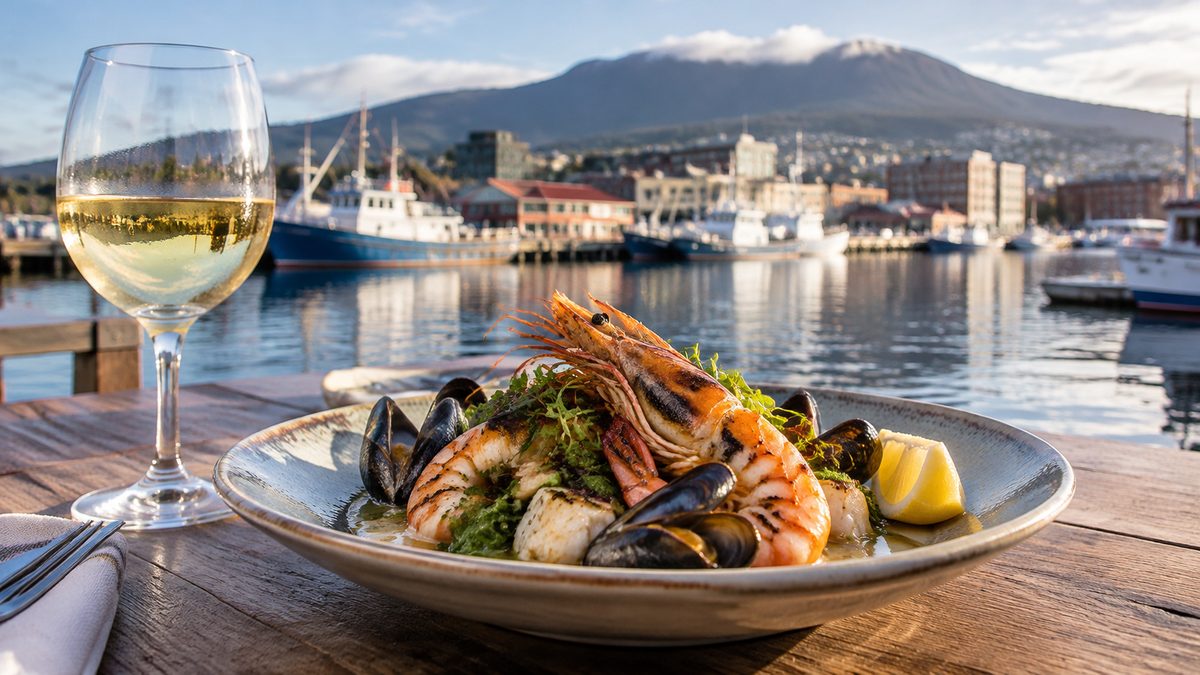
The best Hobart seafood restaurants serve a short, seasonal menu, name the source of the catch and cook each species in a way that suits it. A waterfront table can add to the meal, but the harbour view does not prove that the seafood is local or fresh. Read the menu first. Look for clear species names, useful origin details and dishes built around the catch rather than heavy sauce.
Hobart sits beside a working harbour and within reach of cold southern waters. Diners can choose refined restaurants, casual wharf meals, oyster bars and takeaway Fish and chips. The right choice comes down to the seafood you want, how much you plan to spend and whether the setting matters as much as the plate.
What should you look for on a seafood menu?
Start with detail. A strong menu usually names the Fish instead of using a broad phrase such as “market fish”. It may also state where it came from or how it was caught. These details let you ask useful questions and compare the price with what is being served.
A short menu can be a good sign. Seafood supply changes with weather, seasons, catch limits and what boats land. A restaurant that adjusts its dishes has more room to buy what is available in good condition. A long menu promising every species every day may rely more on frozen or imported stock. Frozen seafood is not always poor quality, but the menu and staff should describe it honestly.
Look at the cooking method as well. Firm fish can work well over coals or in a pan. Delicate fillets need gentler heat. Oysters require careful storage and clean handling. Shellfish should taste sweet and briny, without being buried under strong seasoning.
Useful menu signs include:
- A named species and stated origin
- A catch or special that can change during the week
- Simple cooking methods suited to the species
- Staff who can explain whether an item is local, Australian or imported
- Clear prices for seafood sold by weight
“Local” can refer to Tasmania as a whole, the waters near Hobart or a supplier based in the state. Ask what the word means before treating it as proof of origin.
Which Hobart dining area suits your plans?
The waterfront is the natural starting point for visitors. Constitution Dock places diners beside fishing boats, harbour traffic and some of the city’s best-known casual seafood settings. It suits a quick lunch, an easy meal after sightseeing or takeaway eaten near the water. Demand rises during busy travel periods, so queues and limited outdoor seats are common.
Nearby, Salamanca Place offers more choice in dining style. Restaurants here may place seafood within a wider modern Australian menu rather than make it the sole focus. This works well when one person wants fish while another wants meat or a plant-based dish. Salamanca also fits a day built around the market, galleries and the waterfront.
Battery Point has a quieter, residential feel. Its dining rooms are better suited to people who want a slower evening away from the busiest part of the docks. The area is close enough to walk from Salamanca, though Hobart’s slopes can make a short distance feel longer.
The central city adds wine bars, contemporary dining rooms and hotel restaurants. These venues may source excellent seafood even without a water view. If food quality is the main goal, compare menus across the harbour precinct and the city centre instead of limiting the search to the edge of the water.
Does eating beside the harbour mean the catch is fresher?
No. A restaurant beside the docks may use local seafood, imported seafood or a mix of both. A city restaurant can buy from the same supplier and handle the product just as well. Distance from the water is less useful than origin, delivery timing, cold storage and kitchen skill.
Hobart’s working waterfront does give diners a direct view of the system behind the meal. Boats return from the Southern Ocean and other Tasmanian fishing grounds, while buyers, processors and hospitality businesses move seafood through the supply chain. The fishing fleet is part of the city’s identity, but a boat in view does not mean its catch reached the restaurant beside it.
A Fish market can also sell local and imported products at the same counter. Read the label or ask the seller. Australian country-of-origin information can help at retail level, while restaurant descriptions vary. Clear answers are a better sign than vague claims about seafood being “fresh from the ocean”.
Freshness is also more complex than hours since landing. Some fish benefit from controlled resting before service. Some premium products are frozen soon after harvest to protect their condition. Good handling often matters more than a simple fresh-versus-frozen claim.
Which Tasmanian seafood is worth seeking out?
The best choice is a species that is in good condition and cooked well that day. Tasmania is known for cold-water seafood, though supply and price change through the year. Common menu categories include finfish, oysters, mussels, scallops, squid and crustaceans.
Spiny lobster may appear under names such as southern rock lobster or rock lobster. It is a premium item and may be priced by weight. Before ordering, ask for the estimated whole price, the cooked weight basis and the way it will be served. A figure shown per 100 grams can look modest until the full lobster is weighed.
Oysters vary by growing area, season and handling. A good oyster should arrive cold, sit in its own clean liquor and smell of the sea rather than strong fish. Natural oysters make it easier to judge the product. Dressings can be enjoyable, but they should support the oyster rather than hide it.
Scallops are closely linked with Tasmanian seafood culture. Ask whether a dish uses local scallops and whether the roe is attached if that matters to you. Mussels should be moist and tender. Squid needs either fast cooking or a longer slow cook, since the middle ground can turn it rubbery.
With finfish, do not chase one famous name at all costs. An abundant, well-handled species can deliver a better meal than a premium fish kept on the menu for recognition. A chef who changes the fish dish as supply changes is often making the more sensible choice.
How do you choose between fine dining and a casual meal?
Choose fine dining when you care about service, wine, detailed preparation and a longer meal. The higher bill should pay for skilled cooking and a complete experience. It should not rest on a harbour address alone.
Choose a casual venue when you want speed, a lower price or a simple view of the docks. Grilled fish, seafood rolls, chowder and Fish and chips can offer a clearer taste of the main ingredient than a complex plate. Casual does not excuse poor handling. The fish should be moist, the batter crisp and the frying oil clean.
For Fish and chips, check whether the shop names the species. “Flake” is a common Australian menu term, but diners may still want to ask which species it is and where it came from. A thicker fillet needs enough cooking time without leaving the coating greasy. Chips should be cooked through and salted after frying.
Groups often do best at a restaurant with seafood across several price points. One person can order oysters or a premium main while another chooses pasta, a smaller plate or the daily fish. Review the current menu before booking because seafood dishes can change faster than online dining guides.
How can you judge value before booking?
Price should reflect the species, portion, preparation and service. Seafood carries costs that diners do not always see, including harvest limits, fuel, freight, cold storage, skilled cleaning and waste from shells or bones. A higher price can be fair when the origin is clear and the kitchen handles the product well.
Check how the menu presents these costs. Whole fish and lobster may be sold by weight. Oysters may be priced by the piece, half-dozen or dozen. A seafood platter can look generous while relying on chips, salad and cheaper fried items. Ask what it contains and whether the listed amount is designed as a main meal or a shared starter.
Menus posted by diners can be out of date. Use the restaurant’s own current menu where possible, then call if a high-cost item matters to the booking. The The Hobart Field Guide can help you place the meal within a wider Hobart visit, but the venue remains the best source for same-day prices and supply.
A useful value check is to compare like with like. A takeaway fillet cannot be judged by the same standard as a plated main with table service, sauce and vegetables. Decide whether you are paying mainly for the seafood, the cooking or the occasion.
What should you ask about allergies and dietary needs?
Tell the venue about an allergy before you arrive and repeat it when ordering. Seafood kitchens may handle fish, crustaceans and molluscs in the same preparation area. Shared fryers can expose food to shellfish, gluten and other allergens.
Do not assume grilled fish is free from gluten or dairy. Flour may be used on the skin, butter may finish the sauce and marinades can contain soy or wheat. Chips may share oil with battered seafood. Ask staff to check with the kitchen rather than relying on a guess.
People with a Shellfish allergy need to be specific because the term covers different groups. State whether the concern involves crustaceans, molluscs or both. Anyone at risk of a severe reaction should follow their medical plan and carry prescribed medication.
Pregnant diners and people with health concerns should use current Australian food safety advice when choosing raw or lightly cooked seafood. A restaurant can explain preparation, but it cannot replace personal medical advice.
When should you book a table?
Book ahead for Friday and Saturday evenings, public holidays and major event periods. Summer brings longer daylight and strong demand around the waterfront. Salamanca Place can also become busy on market days. A booking matters more for groups, window tables and restaurants with small dining rooms.
Ask whether outdoor seating is sheltered. Hobart weather can change quickly, and a waterfront breeze may make an exposed table less pleasant even on a clear day. Confirm whether the venue can move you inside if conditions turn.
If a certain dish is the reason for your visit, call on the day. A changing catch can sell out. The kitchen may also replace one species with another when boats cannot land or suppliers have limited stock.
For a smooth booking, check these points:
- Read the current menu and note how seafood origin is described.
- Confirm prices for items sold by weight.
- Tell the restaurant about allergies when booking.
- Ask whether the desired catch is available that day.
- Confirm seating, access needs and cancellation terms.
What mistakes lead to a poor seafood meal?
The first mistake is choosing only by view. A beautiful table can still produce an average plate. Put menu detail and cooking method ahead of the postcode.
The second is treating “local” as a complete answer. Tasmania covers a wide area and restaurants use many supply routes. Ask for the species and source if origin matters to you.
The third is ordering a large platter without checking its contents. Shared platters can be good value, but only when the mix suits the table. Diners who prefer fresh oysters and grilled fish may be disappointed by a platter built around fried pieces.
The fourth is expecting every Tasmanian product to be available all year. Weather, seasons and fishing rules affect supply. A substitution can show that the kitchen buys according to real conditions rather than forcing a fixed menu.
The final mistake is leaving key questions until the food arrives. Weight-based prices, allergy controls and catch availability are easier to settle before the order reaches the kitchen.
How do you make the final choice?
Pick the meal first, then the setting. Constitution Dock suits casual harbour dining. Salamanca Place offers variety close to major visitor stops. Battery Point fits a quieter evening. The central city may be the better choice when chef skill, wine or a broader menu matters more than the view.
Then test the menu. Look for a named species, a clear source and a suitable cooking method. Check the full cost of premium items. Contact the venue about allergies or a must-have dish. These steps reveal more than a long list of ratings because they deal with what the restaurant is serving now.
Before you book, choose one current menu that names its seafood source and call the venue to confirm the catch, total price and any dietary needs.