Italian Restaurants in Hobart
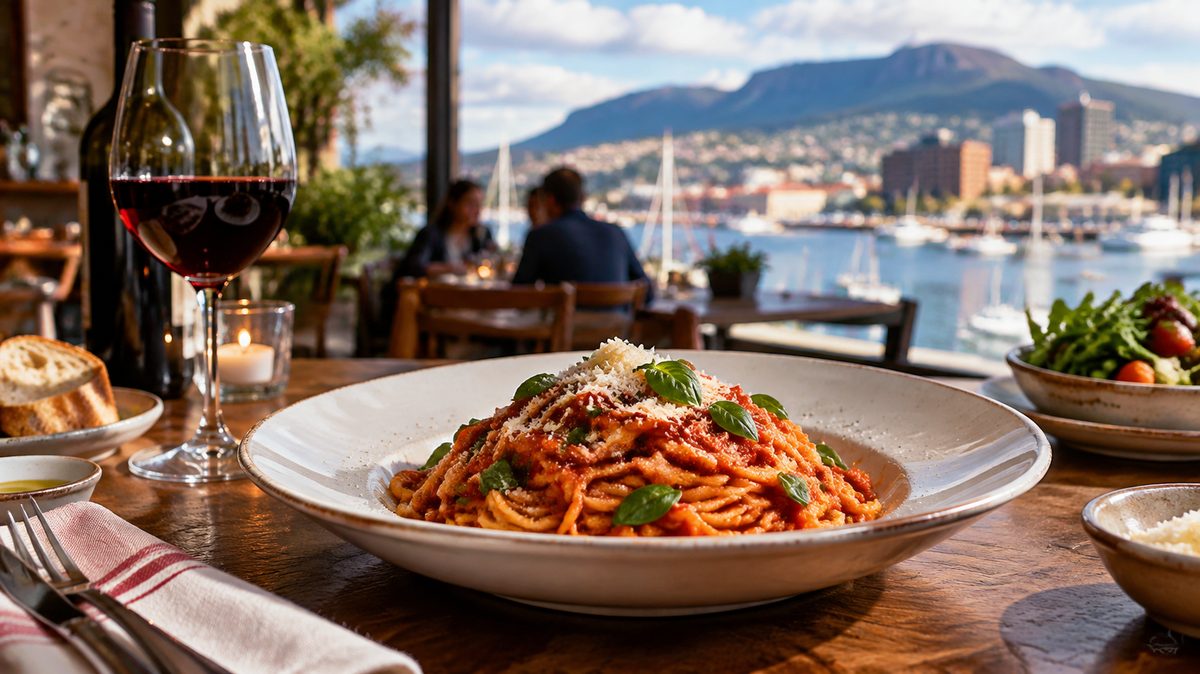
Hobart’s best Italian restaurant for you depends on whether you want handmade pasta, wood-fired pizza, a relaxed family meal or a polished dinner. The city has options across the centre, the waterfront, North Hobart and Battery Point. Some stay close to classic Italian cuisine. Others use local Tasmania produce in a modern style. Choose by menu focus first, then check price, location and dietary needs before you book.
This guide from The Hobart Field Guide explains how to narrow the field without relying on a single ranked list. Restaurant hours, chefs and menus can change. Confirm the current menu and opening times with the venue, especially for Sunday meals, public holidays and late bookings.
Which Hobart restaurants belong on an Italian dining shortlist?
Start with restaurants that make their Italian focus clear through pasta, pizza, regional dishes or traditional Cooking. Several well-known names serve different kinds of diners, so they should not be judged by the same test.
Da Angelo Ristorante
Da Angelo in Battery Point is a practical starting point for diners seeking familiar Italian comfort food in a neighbourhood setting. Its long association with pizza and pasta makes it suited to groups in which people want recognisable choices rather than a long tasting menu. Battery Point also works well for visitors staying near Salamanca Place or the waterfront because much of the area can be reached on foot.
Check the current menu if one person has a food allergy or follows a Gluten-free diet. A gluten-free pasta or pizza base does not make every sauce, topping or preparation method safe for someone with coeliac disease. Ask about shared water, flour in the kitchen and cross-contact before ordering.
Solo Pasta and Pizza
Solo Pasta and Pizza in Sandy Bay fits diners who want a direct, casual meal built around the two dishes in its name. This type of restaurant is often easier for families and mixed-age groups than a small room with a fixed menu. Look at portion sizes, available sauces and booking rules when comparing it with city venues.
Sandy Bay is outside the tight central dining block, so transport matters. It may suit people staying south of the centre or those with a car. Visitors based near the docks should compare the travel time with closer options before booking.
Templo
Templo is known as a small restaurant with an Italian influence and a concise approach to dining. It suits guests who value a chef-led menu and are open to eating what is best for the season. A compact room can feel personal, but it also means seats are limited. Book ahead and tell the restaurant about dietary needs before the day of the meal.
Do not assume that every Italian-influenced restaurant serves pizza, large pasta portions or familiar red-sauce dishes. Modern Italian Cuisine can be spare and produce-led. The appeal lies in careful preparation and a menu that changes with supply.
Fico
Fico belongs in the conversation when the aim is a longer, more refined meal. Its European approach draws on Italian ideas while allowing room for local ingredients and broader technique. It is better treated as Fine dining than as a quick pasta stop. Check the current format because set menus, dining times and prices can change.
A restaurant of this kind works best when everyone at the table is comfortable with the menu structure. Dietary changes may be possible with notice, but a kitchen cannot always rebuild a set menu at the last minute. Contact the venue before paying a deposit or confirming a special event.
Peppina
Peppina offers another polished option in central Hobart, with an Italian identity shaped by Tasmanian produce. It can suit a celebration, a business dinner or visitors who want to remain close to major city hotels. Its style differs from a neighbourhood pizzeria, so compare the complete experience rather than the price of one pasta dish.
Hotel restaurants can also have different breakfast, lunch and dinner services. Make sure the dishes that drew your interest are served at the time you plan to visit.
Maldini
Maldini is positioned close to Hobart’s busy waterfront and Salamanca precinct. It is convenient for people combining dinner with the market area, galleries or an evening around Salamanca Place. That location can also make peak periods busy. A booking is wise on Friday and Saturday nights and during major events.
Location should not be the only reason to choose it. Read the current menu and decide whether your group wants pizza, pasta, meat or Seafood. A central table is useful only when the food format fits the meal.
What kind of Italian meal do you want?
The fastest way to choose is to name the main reason for going. “Italian” covers several different meals. A couple planning an anniversary will judge a restaurant differently from parents feeding children before an early show.
Choose a pizzeria for an easy group meal
Pizza works well when diners want separate toppings, flexible spending and a faster service style. Check whether the venue serves thin, crisp bases or a softer raised crust. Neither style is automatically better. The right choice comes down to taste.
For takeaway, ask how long the trip will take. Steam trapped inside a box softens a crisp base. If the restaurant is far from your accommodation, dining in may give a better result. This small detail matters more than many online rankings.
Choose a pasta-led restaurant for craft and sauce
Fresh pasta can provide the clearest view of a kitchen’s skill. Shape, thickness and texture should suit the sauce. Fine strands work with lighter sauces, while ridged tubes can hold richer mixtures. Filled pasta needs enough seasoning to define the filling without hiding it.
A short pasta list can be a good sign when it reflects what the kitchen can make well. A huge menu offers more choice, but it may spread attention across too many dishes. Look for a clear point of view rather than the highest dish count.
Choose a set menu for a planned occasion
A set menu removes much of the ordering work and lets the kitchen control the pace. It suits diners who enjoy several smaller courses and have time to stay. It is less useful when the group includes a very selective eater or someone with needs the kitchen cannot meet.
Ask what the stated price covers. Drinks, supplements and weekend surcharges can change the final bill. A clear budget avoids an awkward choice once the meal has started.
Which dining area fits the rest of your day?
Hobart is compact, but its dining areas feel distinct. The best location is the one that reduces unnecessary travel and fits what you plan to do before or after the meal.
Salamanca and the waterfront
Salamanca Place is useful for visitors who want restaurants near historic sandstone buildings, the docks and central accommodation. It is a logical choice after time at Salamanca Market on Saturday, though the precinct can be crowded. Bookings become more valuable when a market day, festival or cruise visit adds foot traffic.
The waterfront also gives Italian kitchens access to a strong local Seafood story. Tasmanian fish and shellfish can work well with simple Italian methods such as grilling, roasting or serving with pasta. Local origin alone does not ensure quality. Fresh handling and suitable Cooking matter more than a decorative mention of provenance.
Battery Point
Battery Point suits diners who prefer a quieter neighbourhood atmosphere close to the centre. Its older streets and small commercial pockets make it pleasant for a walk around dinner. Some routes include slopes and uneven surfaces, so guests with limited mobility should check the exact address and access rather than relying on a map’s short distance.
Parking can be limited in older streets. Walking from nearby accommodation or using a taxi may be simpler during busy periods.
Central Hobart and North Hobart
Central Hobart provides the easiest links to hotels, theatres and transport. It includes casual rooms as well as special-occasion restaurants. North Hobart has its own dining strip and can suit people looking for a less waterfront-focused evening.
Distance can be misleading after dark or in cold weather. Hobart’s wind and hills can turn a short walk into an uncomfortable one. Check the route as well as the number of kilometres.
How should you judge a menu before booking?
Read the whole menu rather than searching for one famous dish. A useful menu tells you what the restaurant values, how much choice your group will have and what the meal is likely to cost.
First, look for focus. A menu built around a few pasta shapes, several starters and a concise group of mains gives a clearer signal than pages of unrelated Cuisine. Italian cooking varies by region, but the dishes should still make sense together.
Next, check seasonality. Tasmania has cool-climate produce, dairy, meat and seafood that can fit naturally into Italian food. A kitchen may change garnishes or complete dishes as supply shifts. Seasonal change is reasonable, but diners with a firm preference should confirm that the item is still available.
Finally, read beyond the headline price. Side dishes, bread and drinks can lift the cost. A shared starter and dessert may offer better value than ordering every course alone. For a large group, ask whether a banquet menu or minimum spend applies.
What should diners with dietary needs ask?
Contact the restaurant before booking when a dietary need affects health. Menu symbols provide a starting point, but they do not explain preparation areas, shared equipment or recipe changes.
For a Gluten-free diet, ask whether pasta is cooked in separate water and whether pizza is prepared near airborne flour. People with coeliac disease need a clear answer about cross-contact. Those avoiding gluten by preference may have more flexibility, but should still state what they need.
Vegetarian diners should check sauces and fillings. Parmesan-style cheeses may use animal rennet, while stocks can contain meat even when the main ingredient is a vegetable. Vegan diners need to ask about egg in fresh pasta, dairy in sauces and butter used to finish a dish.
For allergies, give the restaurant specific information. Saying “no nuts” is less useful than naming the allergy and asking whether the kitchen can prevent contact. A venue may decline a request when its space or menu makes safe service impossible. That direct answer protects the diner.
When is a higher price worth paying?
Pay more when the extra cost buys something you value: skilled service, detailed preparation, premium produce or a longer meal. Do not pay more only because a room looks formal.
Fine dining often includes labour that is easy to miss. Stocks may take hours. Pasta may be rolled and filled by hand. Several cooks can contribute to one plate. Service staff may manage the timing of many courses and explain unfamiliar ingredients. These elements can justify the price when execution is strong.
A casual restaurant can still provide the better meal for your purpose. Pizza before a show needs speed and a clear finish time. A birthday dinner may call for more space, a broad menu and easy bill sharing. Value means receiving the experience you came for.
What makes an Italian dessert worth ordering?
Dessert gives the kitchen one last chance to show control. Tiramisu should keep a clear coffee flavour and enough structure to avoid becoming wet. Gelato should taste of its main ingredient rather than sugar alone.
Panna cotta is a useful test because its simple appearance leaves little room to hide mistakes. It should hold its shape while staying soft. Too much gelatine makes it rubbery. Seasonal fruit or a sharp sauce can cut through the cream without taking over the dish.
If portions are generous, share dessert and add coffee. If the menu is small and changes often, ask what the kitchen currently makes rather than assuming a standard dessert will be available.
How do you make a booking that avoids surprises?
- Choose the meal style. Decide between pizza, pasta, a broad family menu or a set dining experience.
- Check the current menu. Confirm prices, dietary choices and whether the dishes you want appear at that service.
- Match the location to your plans. Consider walking conditions, parking and the trip back to your accommodation.
- Book early for peak periods. Small rooms and waterfront venues can fill quickly on weekends and event nights.
- Share dietary needs in advance. Give the kitchen enough detail to provide an honest answer.
- Confirm the practical details. Check opening hours, cancellation terms, surcharges and seating time limits.
Choose one restaurant by meal style, read its current menu, then book directly and state every dietary need before the day of your visit.