Where to Eat on Hobart Waterfront
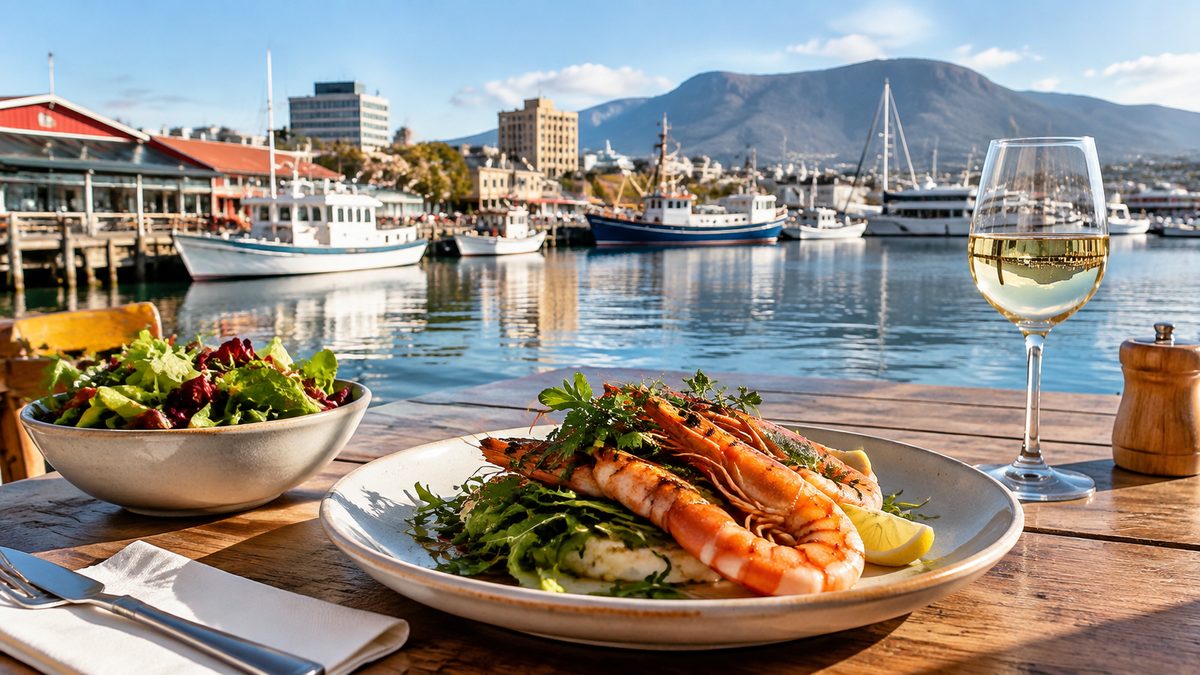
The best place to eat on Hobart waterfront depends on whether you want fresh seafood, a quick harbour-side meal or a polished dinner overlooking the water. Constitution Dock and Victoria Dock suit casual seafood. Salamanca Place has the widest choice of restaurants and bars. Brooke Street Pier is useful for drinks, light food and ferry-day meals, while Franklin Wharf has several of the strongest options for a longer dinner.
These areas sit close together around Sullivans Cove, yet each offers a different kind of meal. Choosing the right pocket matters more than choosing the restaurant with the closest water view. Some places trade on their position. The better choice is the venue that suits your budget, timing and appetite.
Which part of the waterfront suits your meal?
Start with the type of meal you want. The waterfront is compact enough to compare several areas on foot, but meal styles change from one block to the next.
Constitution Dock is the natural choice for seafood in a relaxed setting. Fishing boats, low wharf buildings and floating seafood outlets give this part of the harbour a working-port feel. It works well when you want fish and chips, oysters or a simple seafood lunch without dressing for the occasion.
Franklin Wharf suits diners who want a sit-down meal near the harbour. Its restaurants range from established seafood dining rooms to smaller venues serving modern Australian cuisine. This strip also works well before an evening event because it is close to the city centre.
Salamanca Place offers more variety. The old sandstone warehouses hold restaurants, pubs, wine bars and cafes. It is the safest area for a group whose members want different things. One person can order local seafood while another chooses steak, pasta or a plant-based dish.
Brooke Street Pier sits between the city and the harbour. Its position is handy for ferry passengers and people meeting for an early drink. Food choices inside and around the pier can change, so it is best treated as a starting point rather than the only dining target.
Elizabeth Street Pier is quieter than Salamanca and has broad views across the cove. It can suit breakfast, coffee or a slower meal away from the busiest foot traffic. Do not confuse it with Elizabeth Street, Hobart, which runs north through the central city and has its own large range of cafes and restaurants beyond the waterfront.
Where should seafood lovers begin?
Begin around Constitution Dock and Victoria Dock. This is the part of Hobart where the link between the fishing fleet and the plate feels clearest. The area is known for seafood restaurants, takeaway counters and floating punts.
Mures is one of the best-known waterfront names. Its lower-deck service is geared toward casual meals, while the upper level offers a more formal restaurant setting. The appeal is choice. A family can stop for a quick lunch, while another diner can book a longer seafood meal in the same building.
Fish Frenzy at Elizabeth Street Pier is another familiar option for casual seafood. Its location works well for travellers who want a meal near the water without committing to a formal dinner. Portions and seafood availability can vary, so check the current menu rather than assuming every local species will be offered each day.
The floating punts near Constitution Dock are the better fit when speed and atmosphere matter most. Order at the counter, find a place near the harbour and expect a simple meal. Fish and chips taste best eaten soon after cooking, especially in Hobart’s cool air. Carrying the box for twenty minutes will soften the batter.
Look beyond the word “fresh” on a menu. Ask which fish is Tasmanian, whether it is wild-caught or farmed and how it is cooked. Blue-eye trevalla, flathead, salmon and oysters may appear, but supply shifts with season and weather. A short menu that changes can be a better sign than a long list offered every day.
What makes a good casual waterfront lunch?
A good casual lunch should be fast enough to leave time for the harbour, yet substantial enough for a windy afternoon. Counter-service seafood, a bakery meal or a cafe plate usually meets that need better than a long restaurant booking.
Constitution Dock has the strongest harbour character for this kind of stop. The nearby lawns and public seating can help when a small dining room is full, although outdoor eating brings wind and bold seagulls. Keep food covered and never feed the birds. Feeding them makes the nuisance worse for diners and nearby businesses.
Salamanca Place is more sheltered and gives you more choice in poor weather. Cafes inside the warehouse buildings offer protection from rain, while pub dining rooms suit larger groups. Prices often rise closer to the busiest corners, so check the menu before taking a table.
On Saturday, Salamanca Market adds food stalls and local produce to the area. The market is useful for snacks or a roaming lunch, but it changes the pace of the whole precinct. Crowds build through the morning. If you want a calm cafe meal, arrive early or choose a street behind Salamanca Place.
Brooke Street Pier can work when you have limited time before a ferry. Allow more time than the stated boarding deadline. A kitchen delay becomes stressful when your boat is due to leave, so choose food that is already prepared or tell staff about your departure time before ordering.
Where can you book a special dinner?
For a special dinner, look along Franklin Wharf, Hunter Street and the edge of Salamanca. This part of the waterfront has restaurants built around Tasmanian seafood, local produce and carefully chosen wine.
Aloft, above Brooke Street Pier, is known for a set-menu style and wide harbour outlook. It suits diners who want the meal to be the evening’s main event. Book ahead, disclose dietary needs when reserving and allow enough time for several courses.
Peacock and Jones sits in a historic warehouse near the waterfront. It focuses on Tasmanian produce in a warmer, more enclosed setting than the open piers. That makes it a sound choice on a cold night when a water view matters less than the food and room.
The Drunken Admiral offers a different mood near Victoria Dock. Its nautical interior and seafood-heavy menu suit visitors who want a lively, themed setting. It can feel busy and informal, so diners seeking a quiet anniversary meal may prefer a smaller room elsewhere.
Good Australian cuisine on the waterfront often draws from local seafood, cool-climate vegetables and Tasmanian meat. The label alone does not tell you much. Read the actual menu and look for clear details about the produce, cooking method and serving style.
Water views also need careful thought. A table beside a window may face reflections after dark, while a venue set one street back can deliver a better meal. If the view is central to the occasion, request it when booking. A request is not a guarantee, so confirm the seating policy before paying a deposit.
How do budget and timing change the best choice?
Lunch is usually the easiest time to eat well for less. Casual seafood outlets and cafes offer smaller meals, while some formal restaurants provide lunch menus that cost less than their evening service. Early dining can also make it easier to secure a table without a long wait.
Takeaway is the lowest-cost waterfront option, but compare serving sizes and extras. Sauces, drinks and side dishes can turn a cheap order into restaurant-level spending. One shared serve may be enough as a snack but rarely replaces a full meal for two hungry adults.
For mid-range dining, Salamanca pubs and casual restaurants give the broadest choice. They also make splitting bills easier than some fine-dining venues. Ask about payment rules before a group orders, especially on a busy weekend.
Dinner prices tend to reflect the setting as well as the food. Harbour rent, table service and longer opening hours all affect the bill. A higher price does not prove that seafood is more local or better handled. Menu detail and staff knowledge are stronger clues.
Opening patterns matter in Hobart. Some restaurants close on quieter weekdays, while kitchens may stop taking orders earlier than visitors expect. Public holidays can bring surcharges or reduced menus. Check the venue’s own current booking page on the day rather than relying on an old directory listing.
Where should families and groups eat?
Families usually do best near Constitution Dock or Salamanca Place. Both areas offer casual menus and room to move before or after the meal. The docks give children boats to watch, while Salamanca has sheltered lanes and nearby open space.
Check whether the venue has highchairs and space for a pram before arrival. Heritage buildings around Salamanca can have narrow entries, steps or tight tables. A restaurant may be close to an accessible public path while still having access limits inside.
Groups should choose Salamanca when menu range matters most. The precinct makes it easier to find seafood, meat dishes and vegetarian food in one place. It also has several places for a drink if the table is not ready.
For quieter family dining, consider an early booking. Restaurants are calmer around the start of dinner service, and children are less likely to wait while hungry. This also leaves time to return through the well-used waterfront area before the late evening.
Is Battery Point worth leaving the immediate waterfront for?
Yes, when atmosphere and neighbourhood dining matter more than sitting beside the water. Battery Point rises behind Salamanca and is close enough to reach on foot, though some streets are steep.
The suburb has small cafes, bakeries and restaurants set among cottages and older streets. It offers a calmer experience than the docks. This can be useful on a crowded Saturday or when waterfront venues are booked.
Battery Point should be treated as a nearby alternative, not part of the flat harbour strip. Diners with limited mobility may find the climb tiring. Hampden Road is the main dining pocket, and access from Salamanca involves an uphill section or steps on some routes.
The area also works well for dessert or a drink after dinner. Moving away from the harbour can reveal places that receive less passing tourist trade and rely more on repeat local custom.
How can you avoid a disappointing meal?
Do not choose by water view alone. Read the current menu first and decide whether the restaurant fits the meal you actually want. A formal set menu will frustrate someone seeking a quick plate before a ferry. A takeaway punt will disappoint someone planning a quiet celebration.
Check the total cost, including weekend surcharges and required set menus. Confirm dietary needs directly with the venue. Seafood kitchens may use shared fryers, so people with allergies need a clear answer about cross-contact rather than a general promise.
Weather affects outdoor dining around Sullivans Cove. Hobart can feel cold beside the water even when the city streets are comfortable. Take a warm layer and avoid relying on outdoor seating unless the venue has effective cover.
Large cruise-ship days, festivals and major events can fill restaurants quickly. Salamanca Market also increases Saturday demand. A booking is wise for dinner, while a flexible lunch plan works better if you want to compare menus after arriving.
Use the harbour as one dining area rather than a single street. Franklin Wharf, the docks, Salamanca and the piers sit within a compact central zone. If the first menu is overpriced or poorly suited to your group, another pocket is close by. The The Hobart Field Guide can help you place the meal within a wider Hobart visit.
What should you choose before you arrive?
Choose your meal style before choosing a venue: Constitution Dock for casual seafood, Salamanca Place for broad choice, Franklin Wharf for a longer dinner, or Battery Point for a quieter neighbourhood setting. Then check the current menu, opening hours and booking terms on the venue’s own site.
Your single next step is to pick one dining area now and reserve a table if you plan to eat after 6 pm.